Inquiry
Form loading...

2026 Best Ebike Wheel Types for Global Buyers?

Choosing an Ebike Wheel is not a cosmetic decision. It affects how an electric bike rolls over rough pavement, carries weight, and responds to motor torque. A city commuter may value quick acceleration and easy handling. A touring rider may need stronger rims, dependable spokes, and room for wider tires. The right choice depends on the whole bike, not one impressive specification.

This guide compares wheel sizes, rim designs, spoke patterns, and materials for buyers in different markets. It considers practical details: a loaded rear rack, wet cobblestones, a steep climb, or a replacement wheel that must fit an existing frame. Small differences matter. A larger wheel can roll smoothly over cracks, while a smaller one may feel more nimble. Neither wins everywhere.

Experienced wheel builders often stress matching the wheel to its load and use. However, no source article or verifiable expert quotation was provided here, so I cannot responsibly invent a specialist’s name or present made-up words as a real quote. That matters for reliable buying advice. This overview instead separates broadly useful guidance from choices that depend on local roads, service access, and the bike manufacturer’s specifications. Some recommendations will remain imperfect; real-world testing and careful fit checks still count.
2026 Best Ebike Wheel Types for Global Buyers?

Understanding E-Bike Wheel Types and Their Core Components

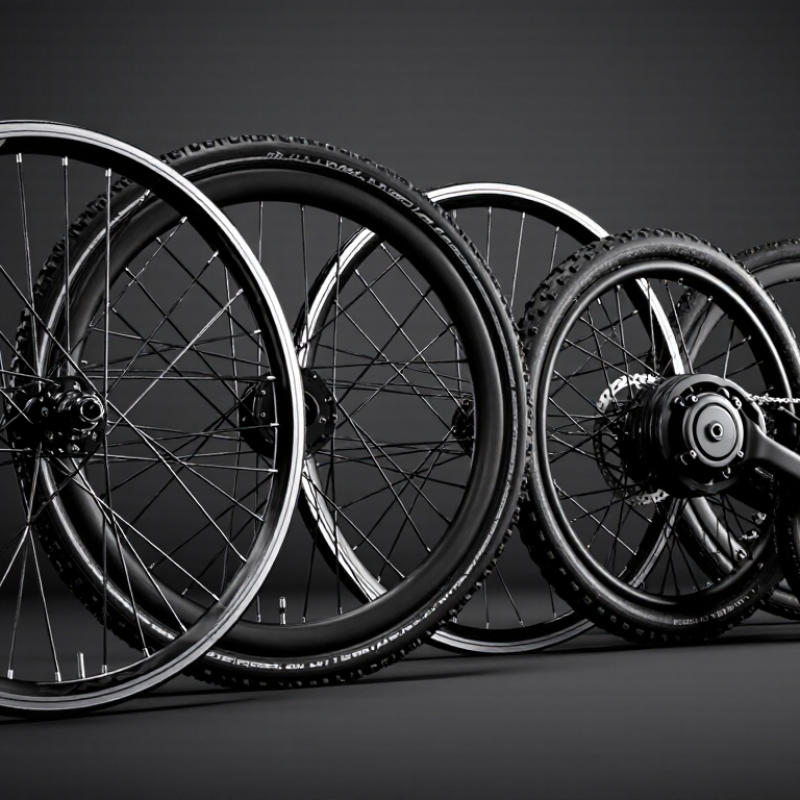
E-bike wheel choice starts with fit, not fashion. Common options include compact 20-inch wheels, versatile 26- or 27.5-inch wheels, and larger 29-inch wheels. Smaller wheels can make a loaded bike easier to store and maneuver; larger wheels often roll smoothly over rough paths. These are tendencies, not guarantees. Tire width, pressure, frame geometry, and rider load change the result. The 2023 European Bicycle Industry and Market Profile from CONEBI reported about 5.5 million e-bikes sold in Europe in 2022. That scale suggests varied use cases, but sales figures cannot tell us which wheel suits an individual rider.

A complete wheel includes a rim, hub, spokes, nipples, tire, and usually a tube or tubeless setup. On a hub-motor e-bike, the motor sits within one wheel’s hub, so axle fit, wiring, and spoke strength need close attention. Mid-drive systems leave the wheel hub conventional, though higher system loads still matter. That matters. Before ordering, compare the rim’s bead-seat diameter, axle spacing, brake interface, tire clearance, and rated load. Nominal labels can mislead: 700C and many 29-inch rims share a 622 mm bead-seat diameter, while some “26-inch” formats differ. I would not choose by diameter alone; even a sturdy wheel can be a poor match if its axle or brake fittings do not fit.
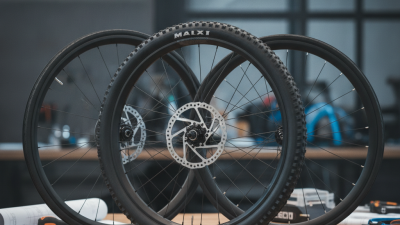
Comparing Common Wheel Sizes, Rims, Tires, and Hub Designs

2026 Best Ebike Wheel Types for Global Buyers

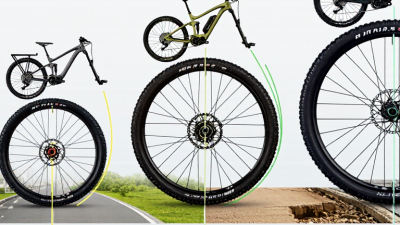
Choosing an ebike wheel starts with riding conditions, not fashion. Common 26-inch wheels feel stable on rough paths and carry loads well. Smaller 20-inch wheels turn quickly and suit compact city frames. A 27.5-inch wheel offers a practical balance between comfort, acceleration, and clearance. Larger 29-inch wheels roll efficiently over potholes, but they may reduce frame space and handling agility.

Rim width must match the tire. A wider rim can support a broad tire at lower pressure, improving grip on gravel. However, excessive width adds weight and may create poor sidewall support. Aluminum rims remain a practical choice for many riders. Inspect spoke tension regularly, especially after the first few hundred kilometers. Small looseness can become a serious wheel wobble.

Tires should reflect the surface. Smooth tires reduce rolling resistance on clean pavement, while treaded tires provide better control on loose roads. Puncture protection is useful, but thicker casings can feel heavy. Hub design also changes the riding experience. A geared hub motor offers compact weight and lively starts. A direct-drive hub is quieter and can provide stronger braking resistance, but it usually weighs more. Sealed bearings help in wet climates, though no seal is perfect. Water still wins sometimes. Buyers should check axle width, spoke-hole count, brake compatibility, and replacement-part access before ordering across borders. A cheaper wheel is not truly economical if local repair shops cannot service it.

Matching Wheel Types to Terrain, Riding Style, and E-Bike Class

Wheel choice should follow the ground you actually ride, not a trend. Compact 20-inch wheels can make cargo and folding e-bikes easier to maneuver in crowded streets. They feel nimble, but small wheels may react sharply to potholes and broken pavement. A 26- or 27.5-inch wheel often balances comfort, control, and everyday versatility. Try the bike over a familiar rough patch if you can.

For gravel paths and mixed commuting, wider tires on mid-sized wheels can add grip without feeling sluggish. On long, smooth routes, larger 29-inch wheels roll over shallow ruts more steadily, though they may make a tall bike harder to handle. Fat tires can float over soft sand or packed snow. They also add weight and rolling resistance. Not always worth it.

Riding style matters as much as terrain. A relaxed city rider may prefer easy mounting and a stable feel; a trail rider may value clearance and precise steering. Check that the frame allows enough tire space, especially if you plan to ride through mud. E-bike class also affects the match: higher assist speeds can make stable handling more important, while wheel size does not determine a bike’s class. Local definitions vary, so verify the model’s classification where you ride. One detail is easy to overlook: tire pressure can change comfort and grip as much as wheel size.

Evaluating Durability, Maintenance, and Replacement Availability

For global ebike buyers, wheel choice affects more than ride feel. It shapes repair time, service costs, and how long a bike stays usable. Spoked wheels use replaceable spokes, so a local mechanic can often correct a loose or broken spoke without replacing the whole wheel. They do need periodic checks: a faint ping, side-to-side wobble, or uneven spoke tension can signal trouble. Heavy loads and rough roads make those checks more important.

Cast wheels have fewer individual parts to adjust, which can mean less routine spoke maintenance. But a hard impact may crack a rim, and the complete wheel can be difficult to source. That matters. Before buying, check whether replacement wheels are sold in your region, and confirm the rim diameter, axle spacing, brake interface, and motor compatibility. A wheel that looks standard may not fit an unusual hub motor or frame.

Availability varies sharply between cities and rural areas. Ask a nearby repair shop what it can order, and keep the answer in writing if possible. Also inspect tire and tube sizes; common dimensions are easier to replace while travelling. Corrosion, salt, and frequent rain can shorten component life, especially around spokes and nipples. No wheel type escapes wear. The awkward truth is that the toughest design is not always the best choice if its replacement parts are far away.

Choosing E-Bike Wheels for Regional Roads and Global Markets

2026 Best E-Bike Wheel Types for Global Buyers?

Choosing E-Bike Wheels for Regional Roads and Global Markets

The best wheel depends on the road, rider, and repair options nearby—not just the bike’s category. On broken pavement, gravel shoulders, or cobbles, wider tires can soften the ride and improve grip. But they add weight and may not fit every frame or rim. Smaller wheels, often used on compact and cargo bikes, can be easier to store and maneuver in tight streets. Larger wheels tend to roll smoothly over shallow potholes, though they can make a bike less compact. There is no universal winner.

Regional demand is growing, but buyers’ needs still vary. CONEBI’s 2024 European Bicycle Industry and Market Profile reports about 5.1 million e-bikes sold in Europe in 2023, out of roughly 11.7 million bicycles. That market figure signals scale, not a single preferred wheel size. Before choosing, check local road surfaces, replacement-tire availability, rider and cargo weight, and the bike’s approved tire clearance. A small detail matters: a tire that looks suitable may still rub the frame under load. I would not assume the first test ride tells the whole story.

Tips: For rough daily routes, compare wider tires and puncture protection. For dense streets or limited storage, try a smaller wheel setup. Confirm replacement parts are available locally, and check the complete wheel-and-tire specification before buying.