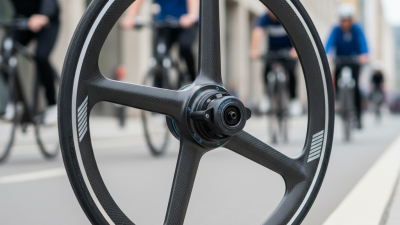
What is the Best Ebike Wheel for Your Needs?
Choosing the right Ebike wheel can be a challenging task. With so many options available, it’s easy to feel overwhelmed. Expert mechanical engineer Emily Carter emphasizes, “The right Ebike wheel enhances performance and comfort, tailored to your riding style.” This insight underscores the importance of informed decisions.
Different riding styles require different specifications. For example, mountain riders need durable, wider wheels for rough terrains. Commuters might prioritize lighter wheels for easy handling. Yet, many overlook these details, leading to dissatisfaction. A poor choice can diminish the overall e-biking experience.
Understanding specific needs is crucial for optimal performance. It’s essential to consider weight, material, and tread pattern. Reflection on personal riding habits can reveal valuable insights. Choosing an Ebike wheel isn’t just about aesthetics; it’s a blend of science and personal preference. Balancing these factors will lead to a more enjoyable ride.
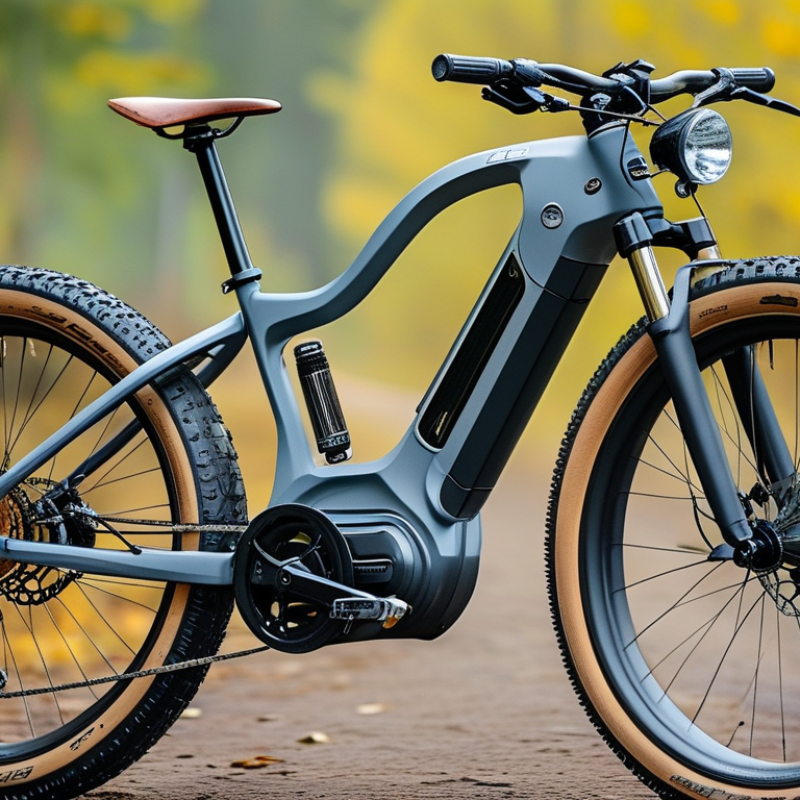
Understanding the Importance of Wheel Size in Ebikes
Choosing the right wheel size for your electric bike can significantly impact your riding experience.
Different wheel sizes affect everything from stability to speed.
Larger wheels typically roll over obstacles more easily. However, they can make the bike heavier and less nimble.
If you ride in urban areas, smaller wheels might provide better maneuverability.
Wheel size also influences tire options. A larger wheel often has a wider selection of tires designed for various terrains.
This versatility can enhance your ride quality. Smaller wheels might limit your choice, but they can be lighter.
Consider your primary riding environment. If you frequently encounter bumps, larger wheels could be beneficial.
But if your rides are short and urban, smaller wheels may suffice.
Reflect on your riding style. Some riders appreciate the stability of larger wheels.
Others prefer the quick response of smaller ones. It’s essential to balance ride comfort and handling.
Test different sizes if possible. It can reveal what works best for you.
Finding the right wheel size may take time and adjustments, but it's worth the effort.
Types of Ebike Wheels: Materials and Construction
When selecting the best ebike wheels, understanding the materials and construction is key. Various options exist, each with unique characteristics. Aluminum wheels are lightweight and durable, making them popular for everyday commuting. Their strength provides a reliable ride over various terrains. Steel wheels, while heavier, offer resilience and can withstand rough conditions. They are ideal for off-road adventures but may impact overall speed.
Carbon fiber wheels are a premium choice, delivering incredible stiffness and lightweight performance. They enhance acceleration and responsiveness, perfect for those seeking performance. However, they come with a higher price tag. Riders should weigh the benefits against their budget. Composite wheels, blending materials, can offer a balance of durability and weight, making them versatile for multiple uses.
While the options are extensive, individuals must reflect on their riding style. Frequent riders may prioritize lightweight choices, while those who traverse rugged paths could favor durability over weight. Sometimes, choosing the perfect wheel can be trial and error. Evaluating personal needs against available options ensures a ride that feels right.
What is the Best Ebike Wheel for Your Needs? - Types of Ebike Wheels: Materials and Construction
| Wheel Type |
Material |
Weight (lbs) |
Durability |
Best Use |
| Alloy Wheels |
Aluminum |
2.5 |
High |
Daily Commuting |
| Carbon Wheels |
Carbon Fiber |
2.0 |
Very High |
Performance Racing |
| Steel Wheels |
Steel |
3.5 |
Moderate |
Heavy Duty Use |
| Spoked Wheels |
Aluminum/Steel |
2.8 |
High |
Cross-Country |
| Solid Wheels |
Polyurethane |
3.0 |
Very High |
Urban Riding |
Evaluating Your Riding Style and Terrain Preferences
Choosing the right ebike wheel involves understanding your riding style and the terrain you encounter. According to a 2022 industry report, approximately 45% of riders prioritize city commuting, while 30% enjoy off-road adventures. This preference significantly influences wheel selection.
For urban riding, lightweight wheels with narrower profiles enhance speed and agility. A 26-inch wheel, for instance, can offer nimble handling on crowded streets.
On the other hand, those who venture into rugged trails benefit from wider wheels. A report shows that 27.5-inch to 29-inch wheels provide better stability and traction. They distribute weight more evenly, which is vital on uneven surfaces.
For mixed terrains, versatile options can be considered. However, riders often overlook the importance of tread patterns, which can impact grip and performance in varying conditions.
It’s essential to reflect on your typical riding experiences and your local environment. Factors like weather, road quality, and rider weight must be evaluated. A mismatch can lead to compromised performance. Using wider wheels on smooth city roads may hinder speed. Conversely, narrow wheels on bumpy trails can lead to discomfort. It’s a balancing act that requires careful thought.
Key Features to Consider When Choosing Ebike Wheels
When selecting the ideal wheels for your eBike, a few features stand out. The wheel size plays a crucial role in ride comfort and handling. Common sizes include 26", 27.5", and 29". Research shows that larger wheels provide better stability and rolling efficiency over rough terrains. For instance, a 29" wheel can improve speed by 5% on uneven paths compared to a standard 26" wheel.
The material is another key factor. Aluminum and carbon fiber are the two most popular options. Aluminum wheels are lightweight and cost-effective, making them suitable for everyday riders. Carbon fiber wheels, on the other hand, offer superior strength and less weight. A study from the Bicycle Technology Association notes that carbon wheels can be up to 30% lighter than aluminum counterparts, which enhances performance but may increase the price.
Furthermore, consider the wheel width. Wider wheels provide better grip and stability but can lead to increased drag. Balancing width and rolling resistance is essential. A report by the eBike Industry Council highlights that 30mm wide wheels are ideal for off-road conditions, while a 25mm width is more suited for urban riding. Each choice affects your riding experience, so it’s important to match your wheel type to your usage. Reflect on these factors to ensure you find a wheel that fits your specific needs.
What is the Best Ebike Wheel for Your Needs?
This chart compares the average weight of different ebike wheel sizes. Selecting the right wheel size involves balancing weight, durability, and riding style to optimize your ebike experience.
Maintenance Tips for Prolonging the Life of Your Ebike Wheels
Maintaining your ebike wheels is crucial for safety and performance. A recent industry report indicates that proper wheel care can extend their life by up to 30%. Regular inspections are essential. Check for dents, cracks, or signs of wear. Uneven wear can lead to blowouts. Keep your wheels clean. Dirt and debris can create undue friction.
Tire pressure is another key aspect. According to the Electric Bicycle World Report, maintaining correct tire pressure improves efficiency. Low pressure increases rolling resistance, draining battery life. Conversely, high pressure can cause a harsh ride. Balance is critical.
Brake systems also impact wheel longevity. Worn brake pads can damage rims. Inadequate stopping power from degraded pads increases the risk of accidents. It’s advised to replace pads regularly, especially after heavy cycling. Simple maintenance tasks can prevent expensive repairs in the future.