10 Best Folding E-Bikes for Global Buyers
Choosing a Folding E-Bike for international travel requires more than comparing motor power and advertised range. Global buyers face different roads, climates, charging systems, and after-sales support. This guide examines ten leading models through practical ownership factors, not marketing claims alone. We consider folding size, frame strength, battery placement, braking performance, tire design, and everyday comfort. Small details matter. A compact hinge, secure latch, or clear display can change a crowded train journey.
The selected bikes suit different lifestyles and budgets. Some prioritize lightweight storage for apartments and office commutes. Others offer wider tires, stronger motors, or longer-range batteries for uneven roads and extended rides. We also review assembly requirements, replacement-part availability, warranty clarity, and seller communication. These points often matter more after the first exciting week. A beautiful bike becomes frustrating when its charger is difficult to replace.
Range figures deserve careful attention. Manufacturers test under controlled conditions, while riders face hills, wind, luggage, cold weather, and frequent stops. Actual distance may be lower. Battery certification, charging compatibility, and local equipment rules should also be verified before purchase. Requirements can differ between countries and regions. Our comparisons aim to be informed and transparent, but they are not perfect. A model praised by one rider may feel heavy or underpowered to another. Use this guide as a practical starting point, then confirm current specifications with the manufacturer or an authorized dealer. The best Folding E-Bike is not always the fastest or cheapest. It is the one that fits your route, storage space, riding habits, and support expectations.
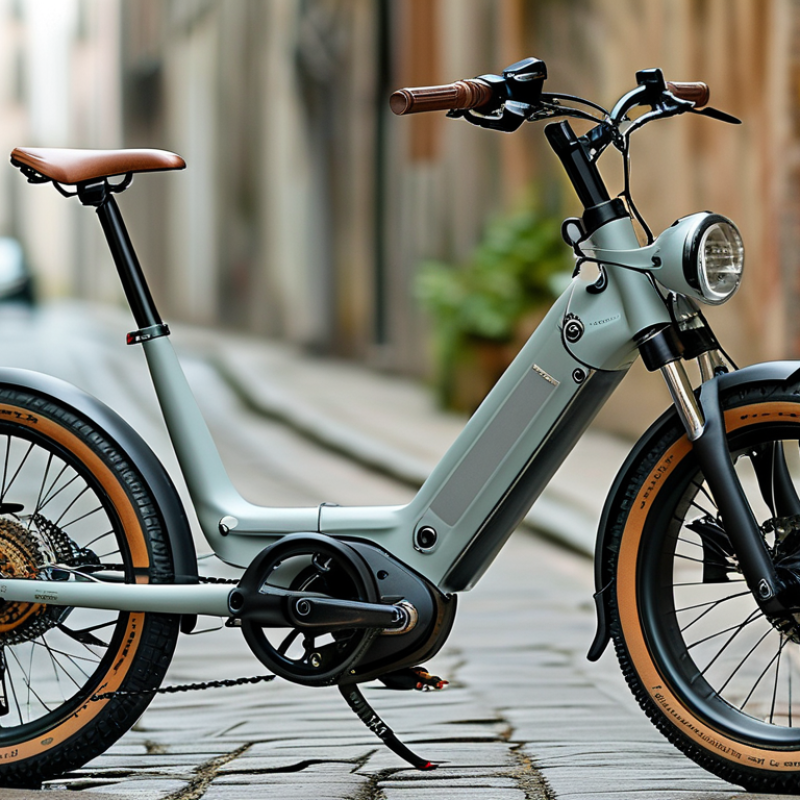
What Makes a Folding E-Bike Suitable for Global Buyers
A folding e-bike suits global buyers when it works across different roads, climates, and daily routines.
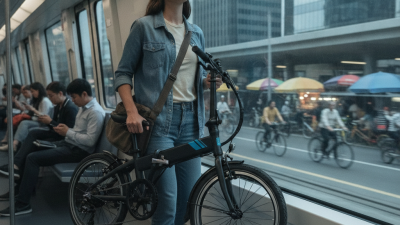
The best choice is not always the lightest model. A sturdy frame, dependable hinges, and a comfortable riding position matter more during long commutes. Test the folded shape against your car trunk, apartment corner, or train luggage space. Small differences become frustrating quickly.
Battery and charging support require careful attention. Buyers should check the charger’s voltage range and plug compatibility before ordering internationally. Battery capacity also affects hills, wind, rider weight, and temperature. Cold weather can reduce practical range. That detail is easy to miss. Removable batteries make indoor charging safer and more convenient, especially for apartment residents. However, battery transport rules vary between airlines and countries, so official guidance should be checked before travel.
Reliable support is another global requirement. Clear manuals, replaceable brake pads, standard tire sizes, and available spare parts can prevent long periods without transportation. Look for weather-resistant electrical components, but do not assume “waterproof” means safe in heavy rain. Local service access matters too. A technically impressive bike may become a poor purchase if repairs require overseas shipping. I would also examine the warranty conditions carefully, because coverage often changes by region. One compromise remains: lighter folding designs may sacrifice suspension or carrying strength. That trade-off deserves an honest test ride, not only attractive specifications.
10 Best Folding E-Bikes for Different Riding Needs
Choosing among the 10 best folding e-bikes depends less on popularity and more on how you ride. A compact model suits train commuters and apartment residents, especially when folded dimensions matter more than top speed. Look for a reliable hinge, a secure locking mechanism, and a manageable folded weight. Carrying a 25-kilogram bicycle up narrow stairs quickly changes your priorities.
For daily commuting, larger wheels usually provide steadier handling over cracked pavement, while integrated lights improve visibility during early mornings. Riders with short urban trips may prefer a smaller battery and simpler controls. Long-distance users need greater battery capacity, adjustable riding positions, and dependable braking on repeated descents. Families carrying the bike in a car should measure the trunk first. That small detail is often missed.
Different climates also affect the choice. Wide tires can feel more stable on wet roads, but they may increase rolling resistance. In warm regions, battery protection and shaded storage deserve attention. In colder areas, charging performance can decline. My first comparison focused too heavily on motor power. It ignored saddle comfort after an hour. That was a mistake. Buyers should check local rules for assisted speed, lighting, helmet use, and public transport before purchasing. A folding e-bike can serve many needs, but no single design handles every road, body type, and storage problem equally well.
Battery, Motor, Safety, and Portability Considerations
When comparing the 10 best folding e-bikes for global buyers, battery design deserves close attention. A 36V or 48V system can provide useful daily range, but capacity matters more than voltage alone. Look for a removable battery with a clear charge indicator and a certified charger. A compact battery is easier to carry upstairs, although it may reduce distance between charges. Real range also changes with rider weight, hills, wind, and tire pressure.
Motor output should match your route. A moderate motor feels controlled on flat streets, while stronger assistance helps on steep roads. Test how smoothly assistance starts. Sudden power can feel unsafe near pedestrians. Reliable mechanical or hydraulic disc brakes, bright lights, reflective details, and a firm folding latch are essential. Check frame movement after folding; even a small amount of looseness deserves attention. Local service access and compatible electrical standards also matter for international buyers.
Tips: Measure your storage space before ordering. Confirm the folded size, bicycle weight, battery weight, and wheel clearance. Carrying a heavy e-bike through a narrow stairwell quickly changes your opinion. Protect the hinge from dirt, but do not hide wear with excessive lubricant. I once focused too much on motor power and overlooked saddle comfort. That was a poor trade. Test the riding position, inspect cable routing, and review the supplied manual before regular use.
How to Select the Right Folding E-Bike for Your Country
10 Best Folding E-Bikes for Global Buyers
How to Select the Right Folding E-Bike for Your Country
A folding e-bike should fit local rules before it fits your apartment. In Europe, EN 15194 generally covers pedelecs limited to 250 watts and 25 km/h. However, national enforcement can differ. In the United States, e-bike classifications and power limits vary by state. Check transport authority guidance before ordering. A model legal in one country may need registration, equipment changes, or may not qualify as a bicycle elsewhere.
Battery safety deserves equal attention. The International Energy Agency’s Global EV Outlook 2024 identifies electric two- and three-wheelers as the most electrified road transport segment. That growth increases the importance of certified batteries and reliable chargers. Look for recognized compliance information, protection against overcharging, and a charger designed for your local voltage. European buyers should examine CE documentation; American buyers may seek conformity with relevant electrical and e-bike safety standards. Paperwork matters.
CONEBI’s 2024 European Bicycle Industry and Market Profile reported about 5.1 million e-bikes sold in Europe during 2023. Demand is strong, but buying habits should remain practical. A 20-inch wheel can balance portability and stability, while smaller wheels usually reduce folded size. Measure your train luggage space and stairwell first. Check the folded weight, hinge locking system, brake type, and replacement-part access. My own preference is a removable battery, although it can add frame weight. That trade-off is easy to underestimate. Also confirm warranty coverage across borders; international shipping may turn a simple repair into a long delay.