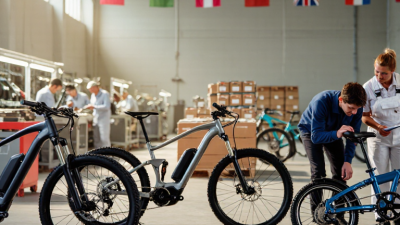
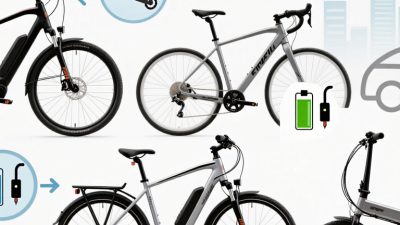
Choosing a reliable Lightweight Ebike supplier in China requires more than comparing product photos and quoted prices. This guide examines ten notable suppliers through practical sourcing criteria, including manufacturing experience, design capability, quality control, export support, and after-sales service. A lighter frame may improve handling, yet it can also affect payload, durability, and riding comfort. Those trade-offs deserve careful attention.
The evaluation considers frame materials, motor integration, battery options, production capacity, minimum order quantities, and customization services. It also looks at factory communication, sample policies, warranty terms, and documentation for international markets. A dependable supplier should explain testing procedures clearly. Battery safety matters greatly. So does traceable quality control.
Real-world details often reveal more than polished catalogs. Can the supplier provide consistent welding samples? Are spare parts available after delivery? Does the quoted weight include pedals, battery, and accessories? These questions can prevent expensive misunderstandings. However, no supplier ranking stays perfect. Product lines change, factories expand, and service quality may vary between projects.
This article aims to provide a balanced starting point for importers, distributors, retailers, and brand owners. It does not replace independent audits or sample testing. That limitation matters. Buyers should verify certifications, inspect production conditions, and test finished bikes before making large commitments. By combining documented evidence with practical observations, the following overview identifies China’s top Lightweight Ebike suppliers and explains where each may fit different business needs.
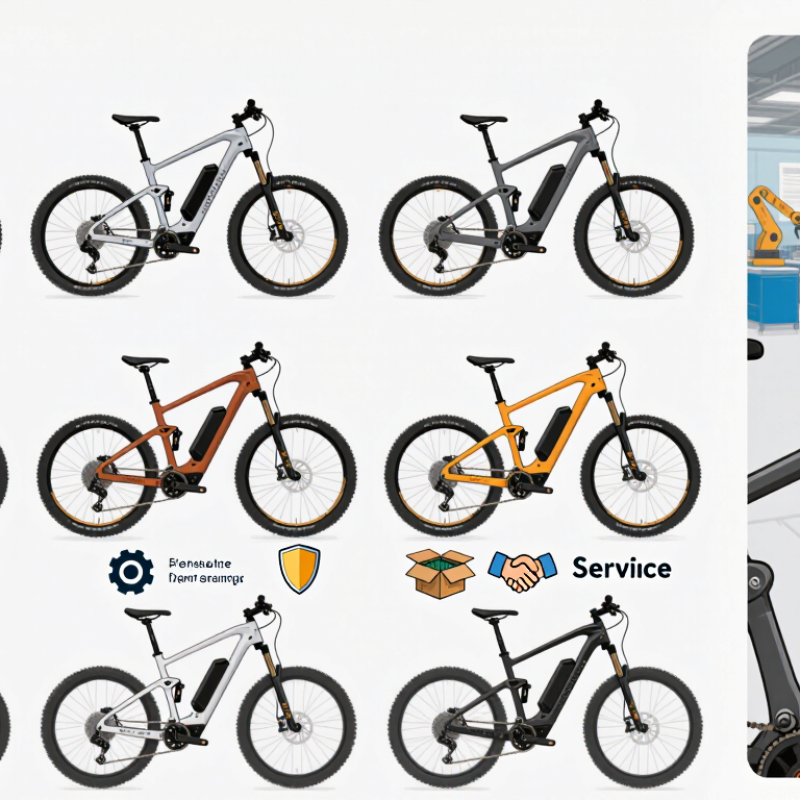
A lightweight ebike is not simply an electric bicycle with a smaller frame. In practical terms, many models weigh about 14 to 20 kilograms, depending on the battery, motor, wheels, and accessories. The real measure is balance. A well-designed bike should feel manageable when lifted, carried upstairs, or placed in a vehicle.
Weight reduction usually comes from an aluminum or carbon frame, compact batteries, smaller motors, and simplified equipment. These choices improve handling on narrow streets and make stop-and-go riding less tiring. They also help riders carry the bike through an office lobby or apartment corridor. However, lighter components can reduce range, comfort, or load capacity. That trade-off deserves honest attention.
When assessing suppliers in China, buyers should examine frame testing, battery protection, motor certification, and consistency between samples and mass production. Ask for measured weight, charging data, warranty terms, and replacement-part support. A supplier that gives only attractive photographs is not enough. During practical checks, listen for unusual motor noise and inspect welds around the head tube. Small details matter.
There is no perfect lightweight design. A 15-kilogram bike may climb less confidently with heavy cargo. A larger battery may improve range but weaken portability. My view is simple: define the rider’s daily route before choosing specifications. Lightweight should mean useful, not merely light on a brochure.
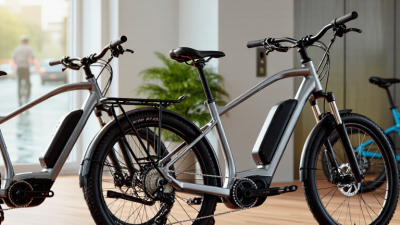
Evaluating China’s lightweight ebike suppliers requires more than comparing catalog prices. Start with product experience: frame weight, riding balance, motor response, and braking control. A bicycle may look light on paper but feel unstable on a steep street. Request complete specifications, including battery cells, charger output, tire size, and maximum supported load. Numbers can mislead.
Supplier reliability depends on factory capability and documented quality procedures. Check whether the supplier performs frame fatigue tests, battery safety checks, waterproofing tests, and final road inspections. Ask for recent test records, not only attractive certificates. Review production capacity, sampling accuracy, spare-parts access, and warranty handling. A responsive engineer can prevent costly design mistakes. However, communication quality is not proof of manufacturing strength. Inspect the facility, verify independent reports, and compare samples from different production batches. One sample is never enough.
Tips: Ask for a pre-production sample and test it on hills, rough pavement, and tight turns. Check weld consistency, cable routing, folding joints, and display readability. Confirm packaging protection with a drop-test discussion. Clarify delivery schedules, replacement procedures, and battery transport documents before payment. Fit matters. Do not ignore small defects. A loose connector today may become a serious service problem later. Suppliers should also explain how designs are updated when field feedback reveals weaknesses. Perfect claims deserve careful questions.
China’s top 10 lightweight ebike suppliers are often evaluated through engineering quality, export experience, and production consistency. A practical shortlist should include Supplier 1, specializing in compact city ebikes; Supplier 2, producing folding commuter models; and Supplier 3, focusing on aluminum frames and low-weight designs. Supplier 4 is known for OEM development, while Supplier 5 offers small-batch customization. Supplier 6 manufactures step-through frames for urban riders. Supplier 7 emphasizes integrated batteries and hidden cable routing. Supplier 8 develops electric bicycles for rental and fleet projects. Supplier 9 supports larger export orders with automated assembly lines. Supplier 10 serves private-label buyers seeking flexible specifications.
Weight alone does not prove quality. A 17-kilogram ebike may still feel unstable if its frame geometry is poorly designed. Experienced buyers should inspect welds, motor noise, brake response, battery protection, and charger documentation. Ask for test reports, production samples, warranty terms, and details about replacement parts. Battery cells should have traceable documentation and comply with the destination market’s safety requirements. This step is often skipped.
A reliable factory should explain its limits clearly. Some suppliers promise unrealistic delivery times. That deserves caution. Factory visits, video inspections, and independent pre-shipment checks can reduce uncertainty. My own view is imperfect: a lighter frame can improve handling, but it may reduce comfort on rough roads. Buyers should compare real riding conditions, not only catalogue figures.
Product technology also separates capable suppliers from ordinary assemblers. Torque sensors usually provide smoother assistance than basic cadence sensors. Integrated batteries create cleaner lines, yet repairs may become less convenient. A dependable supplier should explain cell selection, battery management systems, charger testing, and firmware updates. Small details matter. For example, a 360Wh battery, hydraulic brakes, and puncture-resistant tires may suit urban riders better than a larger battery.
Manufacturing capability deserves direct verification. Review sample consistency, assembly-line photographs, quality checkpoints, and spare-parts planning. Confirm whether the supplier produces frames, wheels, and battery packs in-house or outsources them. Outsourcing is not automatically weak, but unclear responsibility creates risk. Certifications and test documents should match the actual model, not a similar product. I would also compare prototype feedback, packaging strength, minimum order quantities, and delivery records. Some evaluations remain imperfect because factory data can change quickly. A supplier may look excellent on paper, yet its after-sales response can reveal more than its showroom.
What Are China Top 10 Lightweight Ebike Suppliers?
Selecting a Chinese lightweight ebike supplier requires more than comparing factory prices. The International Energy Agency reported that global electric two- and three-wheeler stock exceeded 280 million units in 2023. This growth increases demand, but it also exposes weak suppliers. Review their production experience, battery traceability, frame testing, and quality records. Ask for sample units before discussing large orders. A reliable factory should explain motor ratings, controller limits, charging cycles, and expected range clearly.
Tips: Test the bicycle on steep roads, rough pavement, and wet surfaces. Check brake distance, folding joints, tire grip, and battery removal time. Small details matter in real markets.
Supplier selection must match local regulations and customer habits. For European sales, request evidence supporting EN 15194 compliance. For North American markets, discuss relevant electrical and battery safety requirements, including UL 2849 and UN 38.3 transport testing. Grand View Research has identified battery technology, urban mobility, and compact design as major growth factors in the global electric bicycle market. However, forecasts do not guarantee sales. Some suppliers may present attractive catalog figures that fail during independent testing. I learned that range claims often depend on rider weight, temperature, speed, and road conditions. Leave room for disappointment. Audit the factory, inspect pre-shipment samples, and confirm warranty responsibilities in writing. A supplier with flexible packaging, spare-part support, and stable communication may create more value than the lowest quotation.