How to Choose the Best Ebike Helmets for Safety and Comfort?
When it comes to cycling, safety should always be a priority. Ebike helmets play a crucial role in ensuring that you stay protected on the road. These helmets are designed specifically for electric bike riders, offering both comfort and safety. Understanding how to choose the best options can be overwhelming.
Consider the features that make a helmet effective. Look for certifications that show it meets safety standards. Comfort is equally important; a well-fitted helmet encourages you to wear it consistently. Different styles cater to various preferences, making the choice even more complicated.
Reflecting on your options is vital. A helmet may look stylish but lack proper ventilation. Others may fit perfectly but feel heavy during long rides. Striking a balance that prioritizes both safety and comfort is essential for a satisfying riding experience. With the right Ebike helmets, you can enjoy your rides with peace of mind.
Understanding the Importance of Wearing an Ebike Helmet
Wearing an ebike helmet is crucial for safety and comfort. The right helmet can protect you from serious injuries during accidents. Many riders underestimate the risks of riding without proper head protection. A fall can happen at any time, even on familiar routes. It’s essential to prioritize your safety with a high-quality helmet.
Tips for choosing the best ebike helmet include looking for safety certifications. Make sure the helmet meets the necessary standards. Check for features like adjustable straps and ventilation. A comfortable fit increases the likelihood that you'll wear it consistently. Also, consider a helmet that is lightweight. Heavy helmets can cause neck strain during long rides.
Comfort should not be sacrificed for safety. A well-designed helmet offers both protection and a snug fit. Pay attention to padding and moisture-wicking materials. These details enhance your riding experience. Remember that a little discomfort can lead to significant regret. Investing time in a proper fit makes a large difference. When in doubt, consult experts or experienced riders for recommendations.
Key Safety Features to Look for in Ebike Helmets
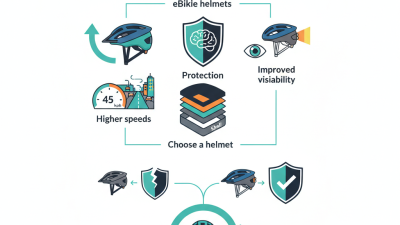
Choosing the right ebike helmet is crucial for safety and comfort. When selecting an ebike helmet, focus on key safety features. According to the National Highway Traffic Safety Administration, helmets can reduce the risk of head injuries by up to 69%. Selecting a helmet with a hard outer shell and thick inner foam lining is essential. Look for helmets that meet safety standards, such as those set by the Consumer Product Safety Commission.
Ventilation is another important aspect. Helmets with multiple vents keep your head cool, especially during long rides. A study by the Bicycle Helmet Safety Institute found that well-ventilated helmets improve rider comfort and encourage more consistent use. You may also want to consider reflective materials for increased visibility in low-light conditions.
Tips: Always ensure a proper fit. A loose helmet may not protect you effectively. When trying on helmets, shake your head to check stability. Additionally, make sure the chin strap is snug but comfortable. Regularly inspect your helmet for signs of wear, as even minor damage can compromise safety. Remember, investing in a quality helmet is an investment in your safety.
Comparison of Key Safety Features in Ebike Helmets
Evaluating Comfort and Fit for Your Ebike Helmet
When choosing an e-bike helmet, comfort and fit are paramount. A well-fitting helmet ensures optimal protection and prevents distractions during rides. According to a study by the Insurance Institute for Highway Safety, nearly 70% of cyclists who wear helmets report a more secure feeling while riding. This psychological boost stems from wearing a helmet that fits properly and feels comfortable.
To find the right fit, measure your head circumference. Use a flexible tape measure around the widest part of your forehead. Helmets come in various sizes, often ranging from small to extra-large. It’s crucial to try them on. A helmet should sit level on your head, not tilting forward or backward. There should be about two fingers' width between your eyebrows and the helmet's front.
Comfort can also be impacted by additional features like ventilation and weight. Helmets with good airflow reduce heat buildup, enhancing comfort during extended rides. A report from the Bicycle Helmet Safety Institute emphasized that lighter helmets are preferred by most cyclists. However, personal preference varies, and some may prioritize the feel of a heavier helmet. Proper padding and adjustable straps can also enhance comfort, reducing pressure points. Despite these factors, some riders may still feel discomfort, indicating the need for further adjustments or different styles.
Material and Construction: What to Consider for Durability
When choosing an ebike helmet, pay close attention to the material and construction. A helmet made from high-quality materials will offer better protection. Common choices include polycarbonate and fiberglass. Polycarbonate is lightweight, while fiberglass usually provides better durability. Consider how these materials perform under impact. Each offers unique advantages.
The construction of the helmet plays a vital role in safety. Look for helmets with multiple impact layers. These layers help absorb shock more effectively. It’s also crucial to check the fit and comfort, as a poorly fitting helmet can compromise safety. For some, adjustable padding helps ensure a snug fit.
Reflect on the weight of the helmet as well. A heavier helmet can be a burden on longer rides, potentially distracting the rider. This distraction might lead to unsafe situations. While a focus on safety is key, comfort should not be overlooked. Balancing weight, material, and construction can significantly impact your overall riding experience.
Choosing the Right Style of Ebike Helmet for Your Riding Needs
Choosing the right style of ebike helmet is essential for both safety and comfort. When selecting a helmet, consider the type of riding you will do. For casual city commuting, a lightweight helmet with ample ventilation works well. In contrast, if you plan on tackling rugged trails, opt for a more robust design with enhanced coverage. The fit is crucial, too. A snug helmet will protect better than a loose one.
Look for features that suit your needs. Some helmets offer visors for sun protection. Others have integrated lights or reflective materials to enhance visibility. These elements can significantly impact your safety during rides. Remember that comfort should not be overlooked. A helmet that feels uncomfortable may discourage you from wearing it.
Many riders struggle with finding the right balance between style and functionality. A sleek design might look appealing but could lack essential safety features. Reflect on your priorities and choose wisely. Also, consider fit in relation to your head shape. Not all helmets are one-size-fits-all, and a trial fitting can make a substantial difference in your riding experience.