Why Choose a Folding E-Bike for Your Daily Commute?
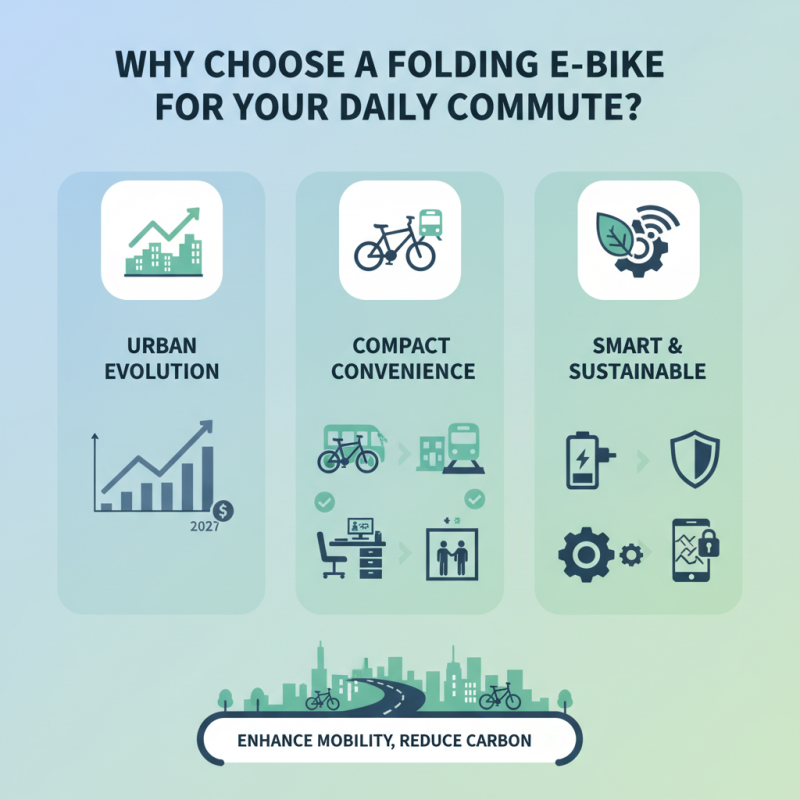
The urban commute is evolving, and the demand for efficient transportation solutions is on the rise. Reports indicate that the folding e-bike market is expected to grow significantly, potentially reaching $2.5 billion by 2027. This growth reflects a shift toward eco-friendly transportation and convenience in urban areas.
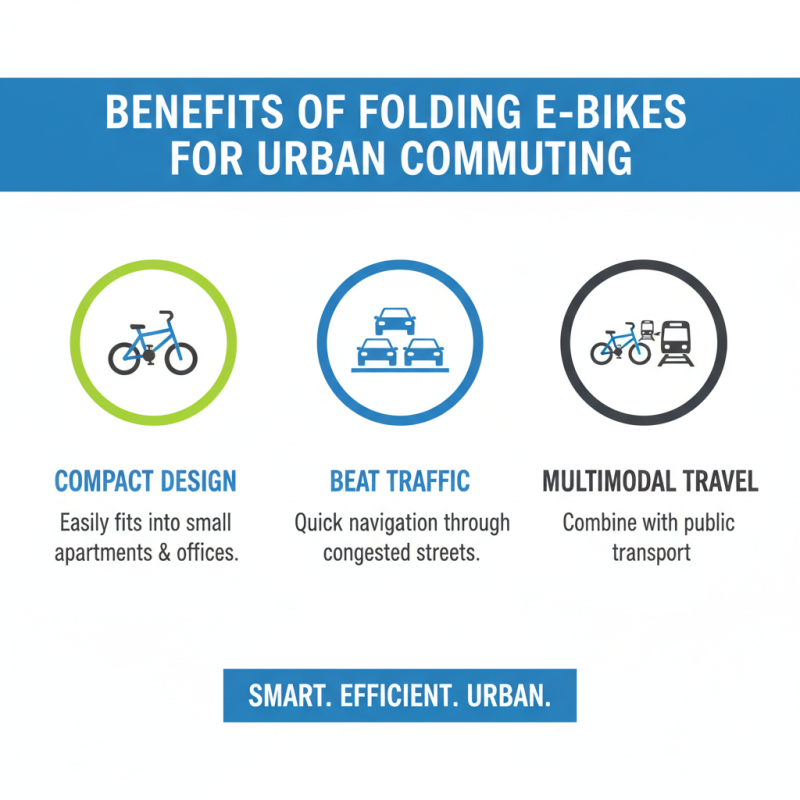
Folding e-bikes offer a compact design that makes them ideal for city life. They can be easily carried onto public transport, saving time and space. Many users appreciate the ability to store these bikes in small apartments. However, the transition to folding e-bikes is not without challenges. Some models may compromise on battery life or ride quality for the sake of portability.
Choosing a folding e-bike for daily commuting can enhance mobility and reduce carbon footprints. Yet, potential buyers must carefully evaluate various options, considering factors like durability and range. As e-bikes modernize, the integration of smart technology could further revolutionize the commuting experience.
Benefits of Folding E-Bikes for Urban Commuting
Urban commuting can be a daily challenge. Traffic jams, crowded public transport, and parking are just a few obstacles. Folding e-bikes offer practical solutions. They are compact and can easily fit into small spaces. This makes them perfect for city dwellers who have limited storage options.
Another benefit is the eco-friendliness of e-bikes. They help reduce carbon footprints. Unlike cars, e-bikes do not emit harmful gases. Commuting by folding e-bike can be a significant step toward a greener lifestyle. Imagine gliding through city streets while contributing to cleaner air.
However, there are aspects to consider. Battery life can be an issue. Riders may need to plan routes carefully to avoid running low on power. Additionally, the weight of the bike could be cumbersome for some. These factors require reflection and preparation. It is essential to weigh the convenience against these potential drawbacks.
Space-Saving Features of Folding E-Bikes
Folding e-bikes are increasingly popular for daily commutes, especially in urban settings. Their space-saving features make them ideal for riders with limited storage options. When folded, these bikes can fit under a desk or in a closet, taking up significantly less area than traditional bicycles. Industry reports indicate that compact transportation options have surged by 25% in city environments.
A recent study revealed that 70% of commuters prefer a vehicle that can be easily stored. Folding e-bikes not only meet this need but also offer the added benefit of electric assistance. This means riders can tackle steep hills without excessive effort. Compact design is crucial, especially for those living in small apartments or using public transport. When fully folded, some models measure just 30 inches in height.
However, it’s essential to recognize some limitations of folding e-bikes. They may not handle rough terrains as adeptly as larger bikes. Riders often find that the smaller wheels provide less stability. Additionally, the folding mechanism can wear over time, potentially leading to maintenance issues. Buyers should weigh these factors against their commuting needs. The convenience of folding e-bikes continues to attract attention, but potential users should remain informed about their capabilities and drawbacks.
Why Choose a Folding E-Bike for Your Daily Commute? - Space-Saving Features of Folding E-Bikes
| Feature |
Description |
Benefits |
| Compact Design |
Folding e-bikes can be easily folded to reduce their size. |
Saves space in small apartments and workspaces. |
| Lightweight Construction |
Made with lightweight materials like aluminum or carbon fiber. |
Easier to carry and transport when folded. |
| Ease of Storage |
Can be stored in closets, under desks, or in car trunks. |
Ideal for urban commuters with limited storage space. |
| Versatile Use |
Can be used in various environments: roads, bike lanes, and public transport. |
Provides flexibility for different commuting scenarios. |
| Eco-Friendly Option |
Reduced carbon footprint compared to cars. |
Contributes to a greener environment. |
| Smart Technology |
Often equipped with smart features like GPS and mobile connectivity. |
Enhances the riding experience and safety. |
Cost-Effectiveness of Folding E-Bikes Over Time
Folding e-bikes have gained popularity for commuters looking to save money over time. With an initial investment averaging $1,500, they can be a cost-effective choice. According to a study by the National Institute for Transportation and Communities, e-bikes can reduce commuting costs by over 50% compared to traditional cars.
Fuel prices fluctuate. In contrast, electricity costs for charging an e-bike remain stable. The average commuter can save around $400 annually on fuel alone. Regular maintenance is lower as well. E-bikes typically require fewer repairs and have longer-lasting components. With fewer trips to the mechanic, riders keep more money in their pockets.
Tip: To maximize savings, consider using your folding e-bike for errands and leisure. Combining trips can significantly cut down on transport costs. Remember to charge your e-bike during off-peak hours to save additional money on electricity bills.
While e-bikes offer savings, they might not be perfect for everyone. Some people find themselves stuck in traffic or caught in unforeseen situations. Storing an e-bike securely can also be a challenge. Remember to factor these considerations into your commuting plans. Planning ahead is essential to make the most out of your investment.
Cost-Effectiveness of Folding E-Bikes for Daily Commute
This chart illustrates the cost-effectiveness of using folding e-bikes compared to traditional commuting methods over a year. The data reflects estimated annual costs associated with folding e-bikes, public transport, and car commuting.
Safety and Comfort in Folding E-Bike Design
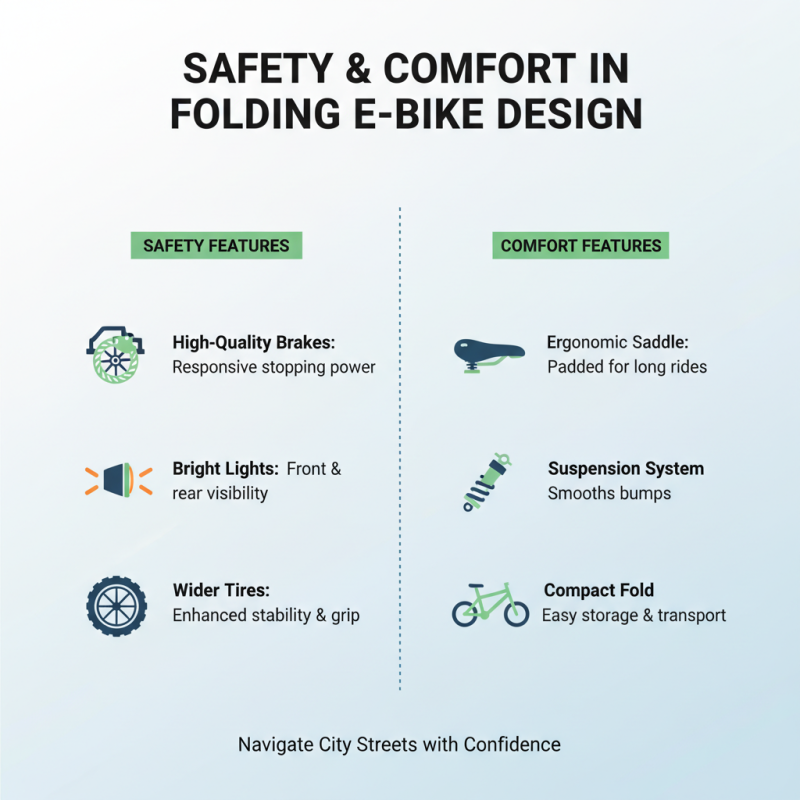
Folding e-bikes are increasingly popular for daily commuting. They combine safety and comfort in their design. Safety is crucial when navigating busy streets. High-quality brakes and bright lights are essential features. Folding e-bikes often have wider tires, offering stability on various surfaces. This design helps prevent accidents, making rides more secure.
Comfort plays a significant role as well. Many folding e-bikes come with adjustable seats, allowing riders to find the perfect height. Some models include ergonomic grips which reduce hand fatigue during long rides. However, not all designs prioritize comfort. Riders may find certain models rigid and hard to handle over uneven terrain. Testing various options is crucial to find the right fit.
Transporting a folding e-bike is a breeze. They can easily fit into small spaces. You can take them on public transport or store them at home without hassle. But, the convenience comes at a cost: they may lack power in comparison to regular e-bikes. Balancing power and portability can be a challenge. Riders must consider their own commuting needs carefully.
Environmental Impact of Switching to E-Bikes for Commuting
Switching to e-bikes for commuting can have a significant impact on the environment. These bikes produce zero emissions during operation. By choosing a folding e-bike, you reduce your carbon footprint. Less pollution means cleaner air for everyone. Imagine riding through a park, breathing fresh air instead of exhaust fumes.
Moreover, e-bikes require less energy than cars. They use electricity, which can come from renewable sources. This shift helps decrease reliance on fossil fuels. However, it’s essential to consider the energy used in production. Some e-bikes have a larger environmental cost than others. Researching materials and sourcing can help make a more informed choice.
Folding e-bikes are often more convenient than traditional bicycles. They can easily fit into small spaces. This ease of storage encourages more people to choose cycling. But they may not always be as durable. Some users complain about the longevity of folding mechanisms. Reflecting on these aspects is crucial for a sustainable commuting solution.