2026 How to Choose the Best Ebike Wheel for Your Needs?
Choosing the right Ebike Wheel is crucial for an enjoyable ride. With a variety of options available, understanding your needs is vital. Factors such as terrain, weight capacity, and riding style play significant roles in making the right choice.
When selecting an Ebike Wheel, consider its size. A larger wheel can handle rough terrains better. However, it might be less agile compared to smaller sizes. Balance is key. Additionally, think about the material. Aluminum is lightweight, while steel adds durability. Each choice has its trade-offs, revealing the complexities involved in decision-making.
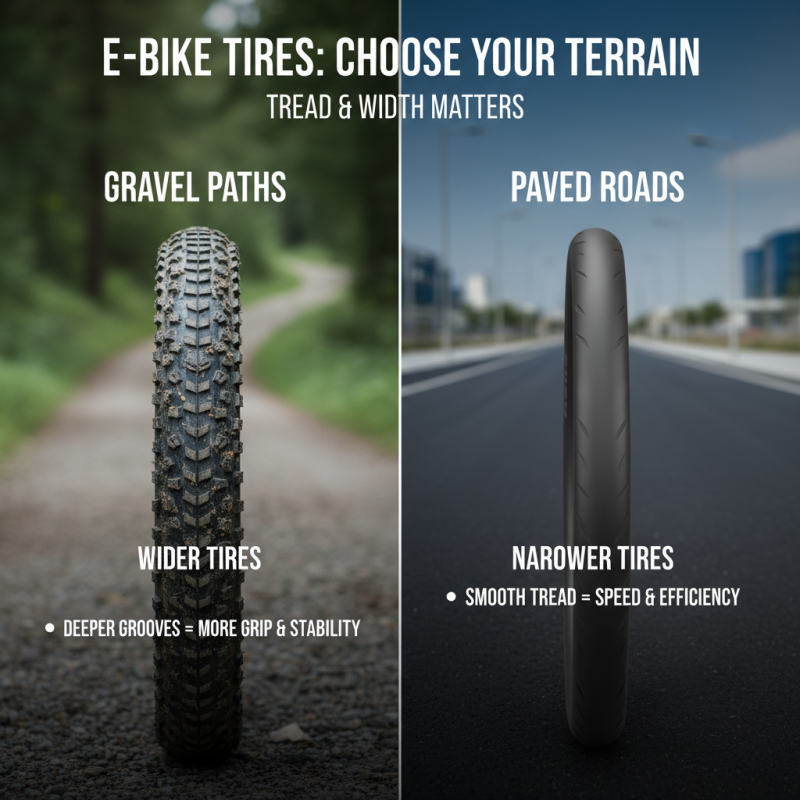
Pay attention to tire width as well. Wider tires offer more grip but might slow you down on smooth paths. Reflect on how you plan to use your Ebike. Do you need speed for commuting, or stability for recreational rides? Your decisions shouldn’t just focus on performance but also on comfort and safety. A well-suited Ebike Wheel makes all the difference.
Understanding Ebike Wheel Types: Hub vs. Mid-Drive Solutions
When choosing an ebike wheel, understanding the difference between hub and mid-drive solutions is essential. Hub motors are placed in the wheel itself. This design offers a clean and quiet ride. They tend to be simpler to install. However, they can create a heavier bike. Some riders find this off-putting.
Mid-drive motors, on the other hand, are located near the bike's pedals. This setup often provides better weight distribution. It also allows for easier climbing on steep terrains. Yet, these motors can wear down the bike's chain quicker. Riders might need to spend more on maintenance over time.
Choosing the right wheel type depends on your riding style. Consider whether you prefer road cycling or off-road trails. Each option has its strengths and weaknesses. Don't rush the decision. Take time to reflect on how you want to use your ebike. Balance is key in this choice.
Assessing Wheel Size: How Diameter Affects Performance and Comfort
When choosing an eBike wheel, size matters significantly.
Larger wheels often provide a smoother ride. They glide over obstacles easily and maintain speed better.
However, bigger is not always better. With larger diameters, handling can become more cumbersome.
Turning tight corners or navigating narrow paths might prove challenging.
Smaller wheels can offer quicker acceleration. They can make your eBike more agile in urban environments.
But, they may not perform well on rough terrain. If comfort is a priority, it’s essential to find a balanced wheel size.
For instance, a diameter of 26 inches is often preferred by those seeking a blend of comfort and control.
Consider your routes. Are they mostly city streets or rugged trails?
Reflect on your riding style. Do you enjoy fast rides, or are you more leisurely?
Each rider has unique needs. Take time to think about the distances you'll travel.
Ultimately, selecting the right wheel size involves compromise.
Finding the perfect fit requires some trial and error. Don't rush the decision.
Evaluating Rim Width: Balancing Stability and Speed for Your Ebike
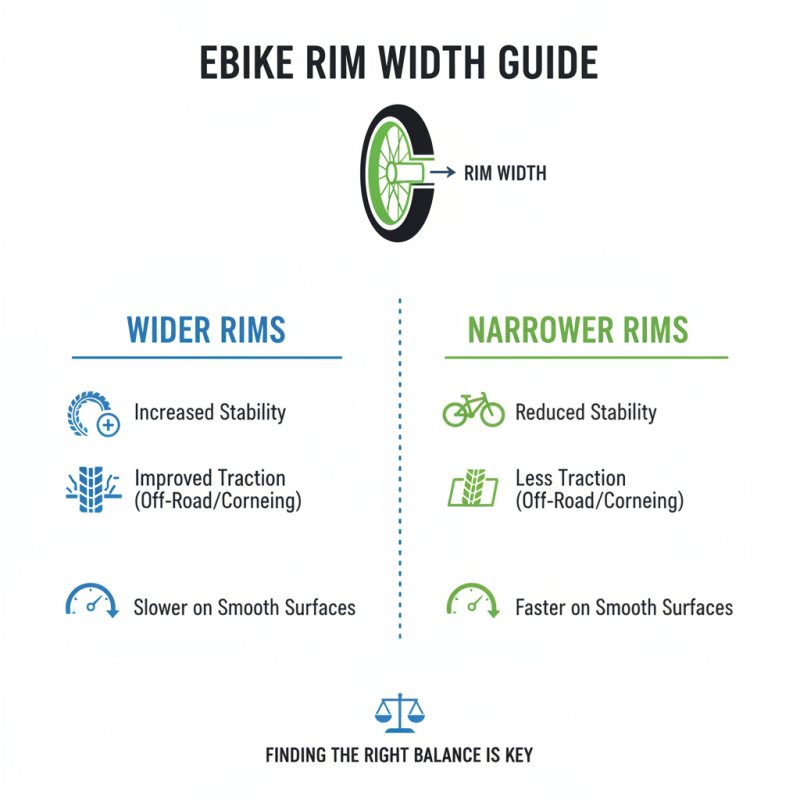
When choosing the best ebike wheel, rim width plays a crucial role. A wider rim generally offers better stability and traction. This is essential for off-road riding or when cornering at high speeds. However, wider rims can slow you down on smooth surfaces. Finding the right balance is key.
Consider the type of riding you will do. If you are mostly on trails, a wider rim is beneficial. It provides more surface area for larger tires, enhancing grip. However, if speed on the road is your priority, a narrower rim can help reduce drag. Remember, your riding style heavily influences the wheel size you need.
Tips to remember: Always test ride different widths. Pay attention to how your bike feels. A wheel that feels stable may not fit well with your bike frame. Adjusting tire pressure can also impact performance. Finally, think about future upgrades. Will your needs change? It's worth pondering.
Material Matters: Comparing Aluminum and Carbon Wheels for Durability
When choosing the best ebike wheel, materials play a critical role. Aluminum wheels are known for their affordability and reasonable durability. According to a recent industry report, aluminum offers a strength-to-weight ratio of around 2.7 g/cm³. This makes it a solid choice for average riders who prioritize cost and decent performance. Many cycling enthusiasts appreciate aluminum's ability to absorb shocks. It can provide a smoother ride on rough terrain. However, it's worth noting that aluminum can bend or dent upon impact, which may require a costly repair.
On the other hand, carbon wheels significantly enhance performance but at a higher price point. Research indicates that carbon fiber weighs approximately 1.5 g/cm³, making it lighter than aluminum. This weight reduction allows for quicker acceleration and better handling. However, carbon is more susceptible to damage from impacts. Cracks can develop, leading to a complete replacement. For those who often ride in demanding environments, this is crucial. While carbon wheels may offer enhanced rigidity and responsiveness, their durability concerns should not be overlooked. Balancing weight, cost, and durability is essential for selecting the right wheel.
Comparison of Aluminum and Carbon Wheels for Ebikes