What is City Ebike and How Does It Transform Urban Transportation?
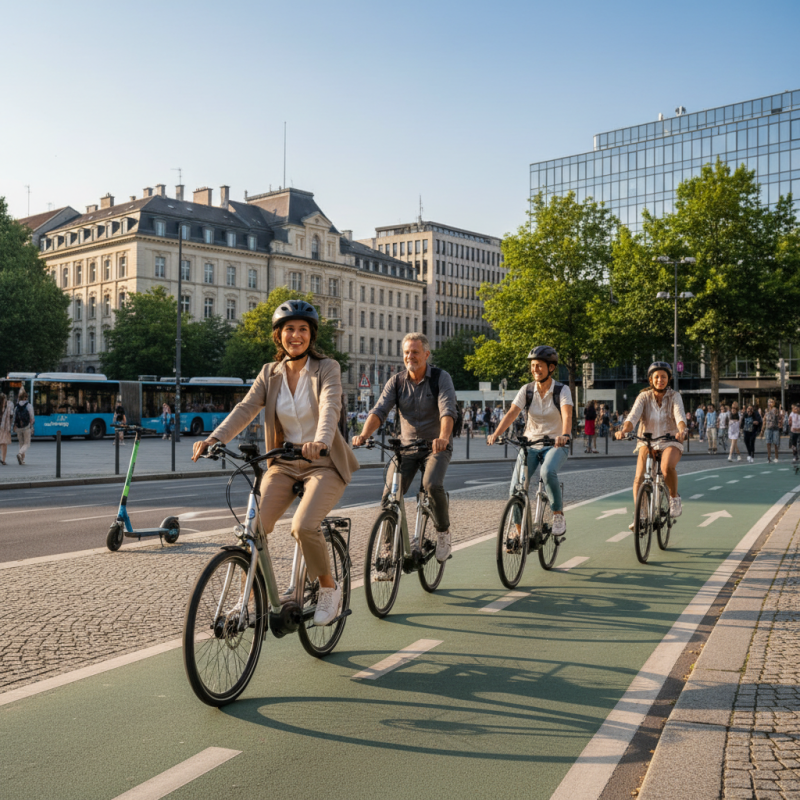
The City Ebike is changing how we navigate cities. In crowded urban areas, traditional transport can be inefficient. Traffic jams and limited parking are common issues. City Ebikes offer a practical solution. They are compact, eco-friendly, and easy to use.
Riding a City Ebike helps reduce carbon footprints. Many people can benefit from quicker commutes. However, challenges remain. For instance, finding safe bike lanes can be difficult. Also, maintenance of these bikes must not be overlooked.
City Ebikes encourage healthier lifestyles. They invite more people to cycle for transportation. Yet, some users may still feel hesitant about safety. The transformation of urban transportation is ongoing. Understanding the impact of City Ebikes requires honest reflection on these aspects.
What is a City Ebike?
City Ebikes represent a new wave in urban mobility. These electric bicycles are designed for city dwellers. They combine convenience with sustainability. With their electric assist, riders can tackle hills and longer distances more easily. This expands the range of what cyclists can achieve.
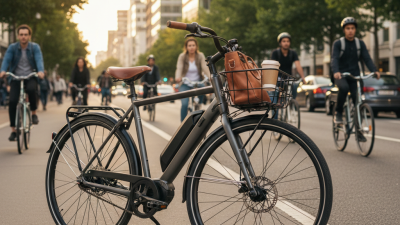
City Ebikes often come with practical features. Many include baskets for groceries or bags. They usually have a step-through frame for easy mounting and dismounting. This design accommodates various riders, from young professionals to older adults. Yet, there are challenges too. Not every urban area has adequate bike lanes. Safety concerns may prevent some people from riding.
The charm of City Ebikes lies in their versatility. They can replace short car trips and save on fuel costs. However, they also require proper maintenance, which some users might neglect. Regular checks on brakes and tires are essential. Without this care, an enjoyable ride can quickly become frustrating. Balancing the excitement of riding with the responsibility of upkeep is crucial for every owner.
What is City Ebike and How Does It Transform Urban Transportation? - What is a City Ebike?
| Feature |
Description |
Benefits |
| Motor Power |
Typically between 250W to 750W |
Provides ability to travel longer distances with ease |
| Battery Range |
Ranges from 20 to 60 miles on a single charge |
Allows for daily commuting without the need to recharge |
| Weight |
Generally weighs between 40 to 70 lbs |
Sturdy enough for urban riding yet manageable |
| Charging Time |
Usually takes 4 to 6 hours |
Quick turnaround for daily use |
| Types of Use |
Commuting, recreational, deliveries |
Versatile for different urban needs and lifestyles |
| Environmental Impact |
Zero emissions while riding |
Promotes cleaner cities and reduces traffic congestion |
Key Features of City Ebikes
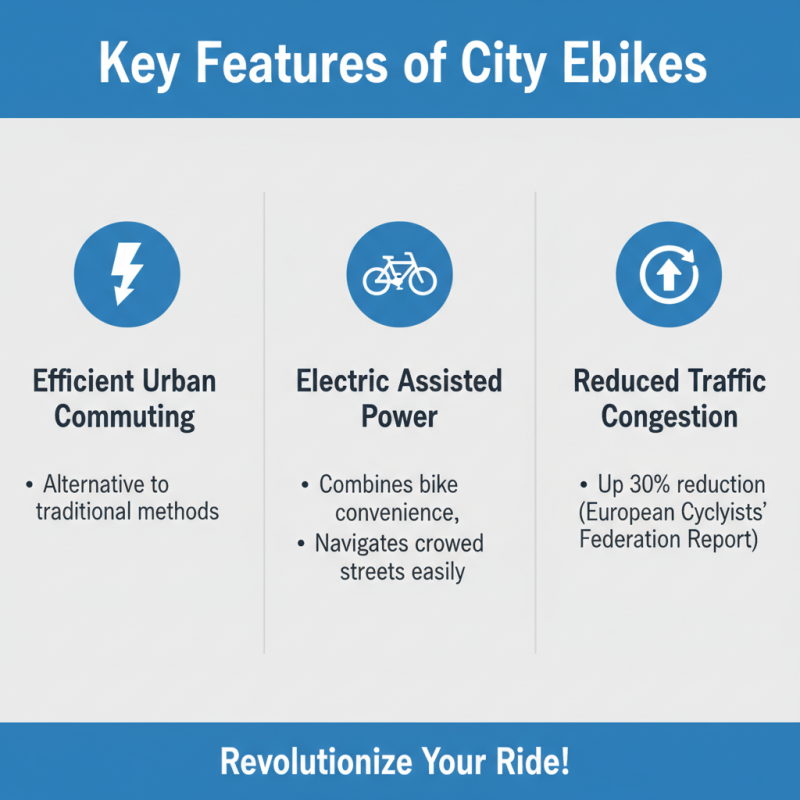
City ebikes are revolutionizing urban transportation. These electric bicycles offer an efficient alternative to traditional commuting methods. They combine the convenience of a bike with added electric assistance. This makes them ideal for navigating crowded city streets. According to a recent report by the European Cyclists' Federation, urban areas that embrace ebikes can reduce traffic congestion by up to 30%.
Key features of city ebikes include lightweight frames, pedal-assist functionality, and compact battery systems. Many models are designed for comfort, featuring adjustable seats and ergonomic handlebars. This accessibility encourages longer trips and makes cycling more appealing. The International Transport Forum notes that cities with high ebike usage see a 12% increase in overall cycling. However, not all urban environments are ready for this shift. Infrastructure must evolve to support this new transportation method.
Another important consideration is the environmental impact. While ebikes produce fewer emissions than cars, the production of batteries raises sustainability questions. A study by the Global Environmental Change Journal highlights that, without proper recycling, battery waste could become a significant issue. As cities adapt to ebikes, addressing these challenges will be crucial. Urban planners must ensure that the benefits outweigh potential drawbacks.
Benefits of Using City Ebikes for Urban Commuting
City eBikes offer a practical solution for urban commuting. They blend the convenience of cycling with electric assistance. Riders can zoom through traffic, avoiding congestion. This is especially helpful during rush hours. The lightweight design makes them easy to park, often eliminating the search for a parking spot.
Using eBikes can enhance health, too. Commuting by eBike encourages more physical activity. However, not everyone feels comfortable cycling in busy streets. There are concerns about safety and exhalation. Some may initially find the electric option too reliant. Overcoming such perceptions requires time and education. Many need to physically try riding before embracing the change.
Moreover, eBikes support eco-friendly transportation. They reduce carbon footprints compared to cars. Yet, charging infrastructure isn’t universally available. Cities must adapt for eBikes to thrive. Limited charging stations may hinder potential riders. Addressing these issues is vital for broader acceptance. Urban planners, riders, and communities must collaborate to improve this form of transport.
Impact of City Ebikes on Traffic and Environment
City ebikes have emerged as a game changer in urban transportation. They provide a flexible alternative to cars. According to a recent report by the International Transport Forum, ebikes can reduce urban traffic by a staggering 30% in some cities. This change is crucial as congestion continues to plague metropolitan areas worldwide.
The environmental benefits of city ebikes are compelling. A study from the European Cyclists' Federation found that replacing car trips with ebike trips could lower carbon emissions by 40%. That’s significant considering transportation accounts for about 15% of global greenhouse gas emissions.
However, there are challenges. Not all cities have the infrastructure to support this shift. Some areas lack proper bike lanes. This can make riding hazardous and discourage users.
Moreover, the initial cost of ebikes may be prohibitive for many potential users. While operational costs are lower than owning a car, the upfront investment can be a barrier. Cities must also consider charging station availability. Without adequate support systems, the true potential of city ebikes may remain untapped. As urban populations swell, rethinking transportation will be essential.
Future Trends in Urban Transportation with City Ebikes
City ebikes are changing how we navigate urban environments. With their increasing popularity, they offer a new solution to congestion and pollution. These bikes are designed for city commuting. They are generally lightweight and easy to use. Riders can zip through traffic or explore local areas with ease.
Tips: Always wear a helmet and follow traffic rules. This can keep you safe on busy streets. Consider using bike lanes whenever possible. They provide a safer environment for cyclists.
Looking ahead, city ebikes could become a staple in public transportation. As cities invest in infrastructure, more bike-sharing programs may emerge. However, the increase in ebike usage also poses challenges. Maintenance and parking will need careful planning. Additionally, not all urban areas are bike-friendly. Cities must adapt to this shift.
Tips: Check if your city has adequate bike lanes. It can significantly enhance your riding experience. Join local biking communities online. They can offer support and share experiences.