What is an Ebike Helmet and Why You Need One?
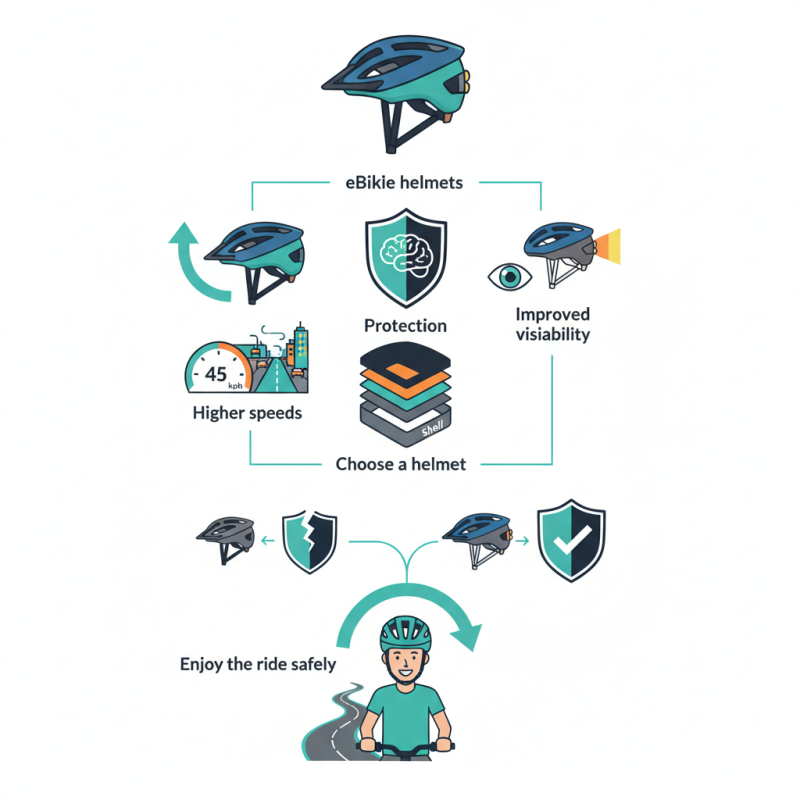
Ebike helmets have become essential for riders of electric bikes. These helmets offer protection as riders navigate busy streets. With the increasing popularity of ebikes, understanding the importance of these helmets is crucial.
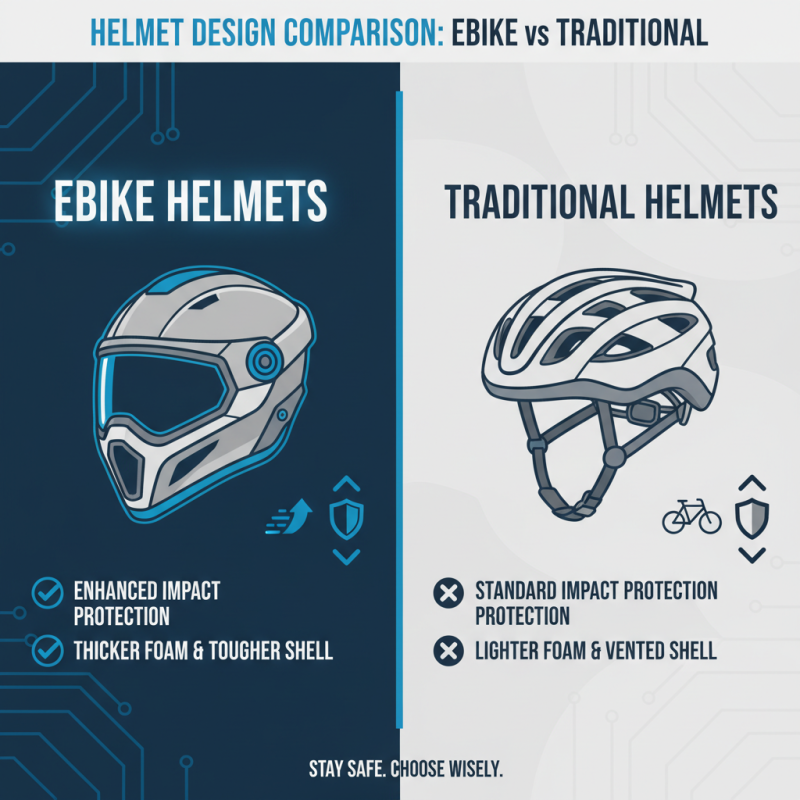
Many may underestimate the need for ebike helmets. Some believe regular bike helmets suffice. However, ebike helmets are designed to handle higher speeds and provide additional coverage. They often feature enhanced padding and improved visibility.
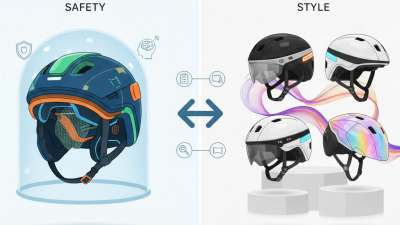
Choosing the right ebike helmet can be challenging. You may find varied styles and safety ratings. It’s important to prioritize safety over style. Investing in a quality helmet can prevent serious injuries. Ultimately, wearing an ebike helmet is a wise decision that ensures your safety while enjoying the ride.
What is an Ebike Helmet? Definition and Key Features Explained
An Ebike helmet is designed specifically for electric bike riders. It combines safety with comfort. Unlike a regular bike helmet, an Ebike helmet has extra padding and often a more robust shell. This construction helps absorb impacts better in high-speed situations. Riders can feel confident knowing they have adequate protection.
Key features of an Ebike helmet include enhanced ventilation and adjustable straps. These elements improve comfort during longer rides. Some helmets also offer built-in lights, which increase visibility at night. However, not every helmet has the same level of reliability. It's essential to check for safety certifications before making a choice.
While some riders may overlook the importance of a helmet, the consequences can be severe. Studies have shown that wearing a helmet significantly reduces the risk of head injuries. Yet, many still ride without one, thinking they won’t fall. This mindset can be dangerous. The key is to prioritize safety while enjoying the thrill of riding.
Importance of Wearing a Helmet While Riding an Ebike: Safety Statistics
Wearing a helmet while riding an ebike is crucial for safety. Statistics show that head injuries are common in cycling accidents. In fact, wearing a helmet can reduce the risk of serious head injuries by up to 70%. This significant reduction highlights the importance of protective gear for riders, especially given the increasing popularity of ebikes.
Many riders underestimate the risks they face. They may think that paths and roads are safe. However, collisions can happen unexpectedly. Studies reveal that cyclists without helmets are more likely to sustain severe injuries. Even at low speeds, a fall can lead to devastating consequences. A simple helmet can be the difference between a minor bruise and a life-altering injury.
Choosing the right helmet is not just about comfort. It should fit well and meet safety standards. Many helmets also come with features such as ventilation and visor options to enhance user experience. Even so, some riders may forget to wear it, thinking, “I won’t fall.” This mindset needs a shift. A helmet is a small investment toward a safer ride. Prioritizing safety can lead to a more enjoyable and carefree experience on an ebike.
Importance of Wearing an Ebike Helmet: Safety Statistics
Regulatory Standards: What Makes an Ebike Helmet Certified for Safety?
An Ebike helmet must meet specific regulatory standards to ensure your safety while cycling. Various organizations set these standards. They evaluate factors like impact resistance, retention system efficiency, and ventilation. A helmet certified for safety undergoes rigorous testing. This testing checks how well it absorbs shock and protects the head.
Tips for choosing the right Ebike helmet include looking for certification labels. Common certifications are CPSC, EN 1078, and AS/NZS 2063. These labels indicate the helmet meets safety guidelines. Also, consider the helmet's fit. A proper fit enhances protection. It should sit snugly without being uncomfortable. Check if the straps are adjustable for a secure hold.
Wearing a certified Ebike helmet is not optional; it's crucial. Many riders may overlook the importance of checking safety standards. An impulsive choice can lead to severe consequences. Take your time when selecting a helmet. Ensure it meets your needs and matches your riding style. Prioritize comfort and safety in every ride.
What is an Ebike Helmet and Why You Need One? - Regulatory Standards: What Makes an Ebike Helmet Certified for Safety?
| Feature |
Description |
Standards |
Certification Bodies |
| Impact Resistance |
Ability to withstand significant force from falls or collisions. |
CPSC, EN 1078 |
Consumer Product Safety Commission |
| Retention System |
Effective straps and buckles to keep the helmet securely on the head. |
CPSC, DOT |
Department of Transportation |
| Visibility |
Bright colors and reflective materials enhance detection by other road users. |
AS/NZS 2063 |
Australian & New Zealand Standards |
| Comfort & Fit |
Proper fit and ventilation for wearer comfort during rides. |
CE EN 1080 |
European Committee for Standardization |
| Weight |
Lightweight materials that do not add unnecessary strain. |
ISO 6220 |
International Organization for Standardization |
Selecting the Right Ebike Helmet: Size, Fit, and Additional Features to Consider
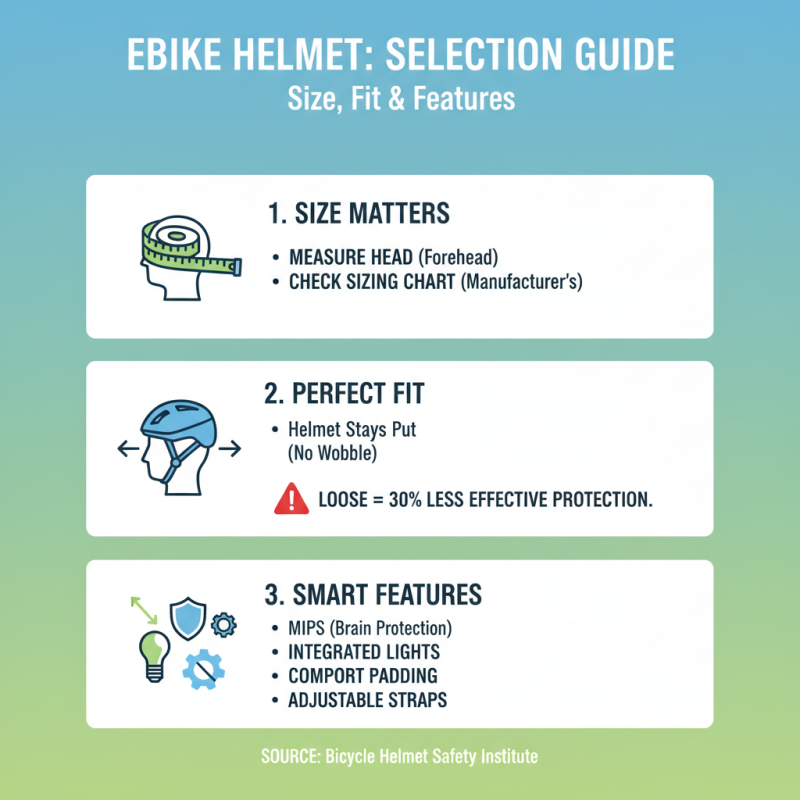
When choosing an ebike helmet, size and fit are crucial. A well-fitting helmet ensures maximum protection. According to a report from the Bicycle Helmet Safety Institute, improperly fitting helmets can decrease their effectiveness by up to 30%. To find the right size, measure your head around the forehead. Most manufacturers provide a sizing chart. Test the fit by shaking your head; the helmet should stay in place.
Additional features can greatly enhance your safety and comfort. Look for helmets with MIPS technology, which provides extra protection against rotational forces during an impact. Ventilation is also essential. Research shows that effective ventilation can increase comfort, encouraging users to wear their helmets consistently. Many modern helmets come with adjustable visors and built-in lights, which aid visibility.
However, not all helmets are created equal. Some users might overlook weight, assuming that heavier equals safer. In reality, lightweight helmets can offer excellent protection without the bulk. Consider trying different models to find what balances comfort and safety for you. Each ride is an opportunity to test your gear. Prioritize a helmet that feels right, not just one that's popular. Your safety should always come first.