Top Lightweight Ebikes for Easy Commuting and Weekend Adventures?
Commuting and weekend adventures become easier with the rise of Lightweight Ebikes. These bicycles blend convenience with efficiency, offering a solution for urban commutes and outdoor escapades. Their design caters to those seeking both functionality and fun.
With various models available, riders can choose lightweight options that allow for quick maneuverability. Many bikes feature advanced technology, making rides smoother. Riding a Lightweight Ebike is not just about getting from point A to B; it’s about the experience. The thrill of gliding through city streets or along scenic paths brings joy.
However, not all Lightweight Ebikes are perfect. Some struggle with battery longevity on longer rides. Others might lack comfort for extended periods. Riders must weigh their options carefully. Exploring different models and testing them is essential. A Lightweight Ebike can be a game-changer if it meets individual needs effectively.
Top Benefits of Lightweight Ebikes for Urban Commuting
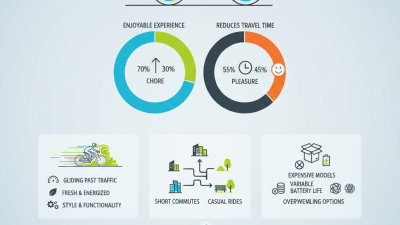
Lightweight eBikes are a game changer for urban commuting. Their sleek design and reduced weight make them easy to maneuver through busy city streets. Imagine gliding past gridlock traffic with hardly any effort. This feature is especially beneficial for those who are new to cycling or have limited fitness levels.
The compact size of these electric bikes also simplifies storage. You can easily park them in tight spaces. Many people find this a huge advantage in crowded city centers. Plus, lightweight eBikes often have removable batteries. This means you can charge them indoors, avoiding theft concerns.
However, there are downsides to consider. Lightweight does not always mean strong. Some models may struggle on steep hills. Riders might also need to adapt to the battery range. A longer ride may drain the battery faster than expected, leading to some unexpected struggles on the road. Balancing speed with endurance can be tricky. Each commute becomes a test of preparation and mindfulness.
Key Features to Look for in a Lightweight Electric Bike
When choosing a lightweight electric bike, focus on key features that enhance your commuting experience. One important aspect is weight. A bike under 40 pounds enhances portability, making it easier to carry up stairs or onto public transport. According to industry reports, lightweight models can increase riding efficiency by up to 25%. This feature is significant for urban commuters navigating tight spaces.
Battery range is another critical factor. Most lightweight ebikes offer a range between 20 to 50 miles on a single charge. Selecting a bike with a removable battery can add convenience. You can charge it at home or the office, ensuring you’re always ready for the next ride. Furthermore, consider charging time. Some models take only 2-4 hours to reach full capacity.
Brakes are also vital. Lightweight bikes frequently come with disc brakes, which can provide better stopping power in various conditions. The ideal braking system ensures safety, especially on downhill commutes or wet roads. It's worth noting that some lighter bikes may compromise on comfort due to minimalist designs. This might affect long-distance rides, making it crucial to test comfort levels during a test ride.
Popular Lightweight Ebike Models for Weekend Adventures
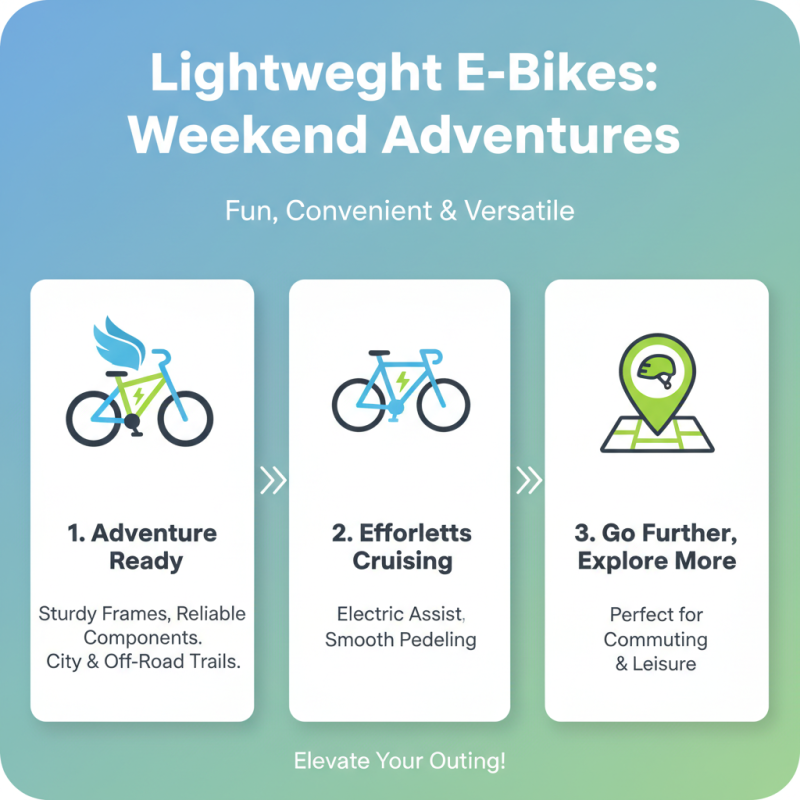
When it comes to weekend adventures, lightweight ebikes offer a perfect blend of fun and convenience. Many models come with sturdy frames and reliable components. This makes them ideal for both city commuting and off-road trails. Imagine cruising along scenic routes or navigating busy streets effortlessly. The ease of pedaling combined with electric assistance elevates any outing.
On weekends, the lightweight design allows for quick handling. You can easily avert obstacles or weave through busy parks. This nimbleness boosts confidence for unexpected turns or gentle slopes. One might still struggle with battery range on longer trips, which requires planning and foresight. However, the thrill of exploring new paths often outweighs minor issues like charging stops.
Lightweight ebikes also encourage spontaneous adventures. Feeling the wind against your face while zipping by stunning landscapes is invigorating. Yet, some riders may find themselves wishing for additional features. Perhaps more gear options or better suspension for rough terrain? Nonetheless, the experience of discovering hidden gems in nature or the city remains unmatched.
Maintenance Tips for Keeping Your Lightweight Ebike in Top Shape
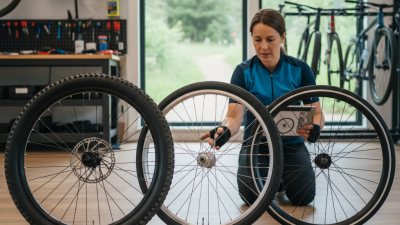
Maintaining a lightweight ebike is crucial for its longevity and performance. Regular inspections can prevent major issues down the line. According to a report by the Electric Bike Association, nearly 40% of ebike owners face maintenance problems within the first year. Small checks, like tire pressure and brake functionality, can save time and money.
Cleaning your ebike regularly ensures smooth rides. Dust and dirt can interfere with mechanical components. It’s recommended to clean the chain every 100 miles. Use a gentle soap and brush; harsh chemicals can cause damage. Surprisingly, about 30% of riders neglect this simple task. A dirty bike is not just unsightly; it can lead to rust and wear.
Battery care is another essential aspect. Lithium-ion batteries should be charged between 20% and 80% to extend their lifespan. A study by the International Bicycle Fund suggests that proper charging habits can increase battery longevity by up to 50%. Many users overlook this, leading to premature battery failure. It's a vital point for anyone serious about their ebike adventures. Regularly updating your maintenance routine is key. It helps you enjoy safe and efficient rides every time.
Navigating Different Terrain: How Lightweight Ebikes Perform
Lightweight ebikes are increasingly popular among urban commuters and adventure seekers. Their design often combines portability with power, making them ideal for different terrains. Whether navigating city streets or tackling rugged trails, these bikes offer great performance. On flat roads, they glide smoothly and effortlessly, but hills can present a challenge. Riders might find themselves needing to pedal harder than expected.
In off-road conditions, traction and stability are key. Lightweight ebikes can struggle on loose surfaces, requiring more rider input. Riders might appreciate the light frame but may also miss the robustness of heavier alternatives. It’s essential to consider tire choices and suspension systems for better handling on rough paths. The thrill of off-road biking can be rewarding, even if it tests one’s endurance and skill.
When commuting, weight matters. A lighter bike makes it easier to carry up stairs or on public transport. However, less weight can mean compromised features. Battery life can be limited; some riders feel this crunch when they need a stronger range. Finding the right balance between weight and features is vital. Every ride can teach a lesson about what works best for varying needs.