China Top Commuter Ebikes for Global Buyers to Consider?
As urbanization continues to reshape daily commutes worldwide, the demand for efficient transportation solutions grows. Commuter Ebikes have emerged as a popular choice, offering a balance of convenience and sustainability. With advancements in technology, many brands in China now produce high-quality commuter electric bikes that cater to different needs and preferences.
These ebikes are designed with features such as lightweight frames and long-lasting batteries, making them ideal for city travel. However, not all models are created equally. It’s crucial for global buyers to consider factors like performance, durability, and user comfort. Some bikes might excel in speed but lack in battery life, while others may offer a comfortable ride at the cost of agility.
Researching various options can be overwhelming. Potential buyers should reflect on their own commuting habits and the specific features they need. There is a fine line between style and practicality. Finding the right commuter ebike involves balancing aesthetics, performance, and price. Exploring what each bike offers is essential for making an informed decision in this rapidly expanding market.
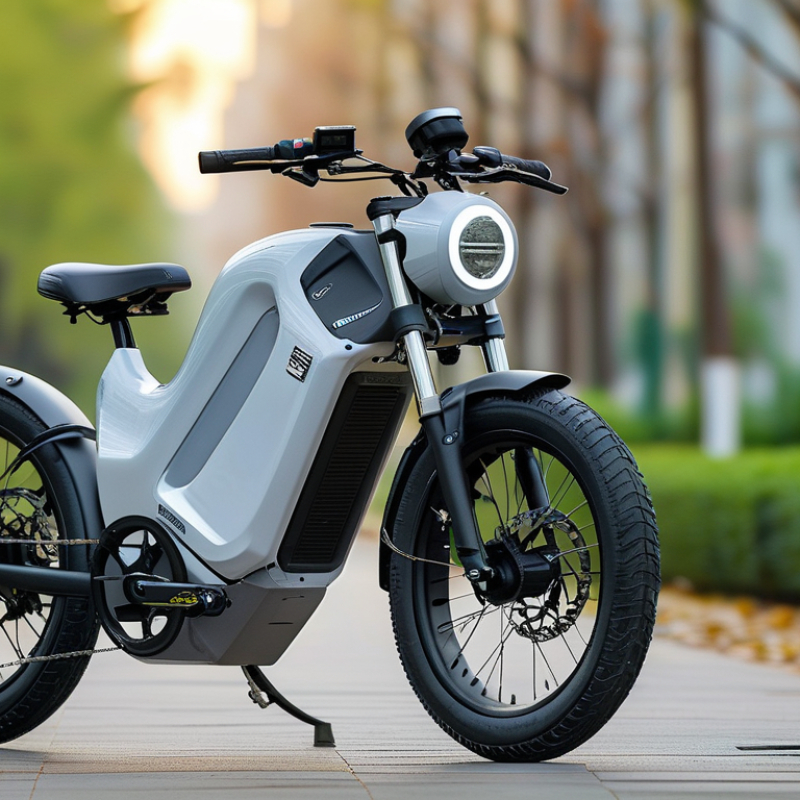
Overview of the Chinese Commuter Ebike Market
The Chinese commuter ebike market has rapidly grown in recent years. This growth stems from rising concerns about urban congestion and environmental issues. Many urban citizens seek eco-friendly alternatives. Ebikes offer a perfect blend of convenience and sustainability. Their popularity is particularly strong among young professionals.
A key player in this market is the emphasis on affordability and smart technology. Many Chinese manufacturers focus on integrating GPS and smart locks. Yet, not all products maintain high quality. Some may compromise durability for lower costs. Buyers should research different models carefully to avoid disappointment. Local regulations can also impact the usability of ebikes. Understanding these rules is crucial before making a purchase.
Despite the vibrant market, challenges remain. Improvements in battery technology are needed for longer ranges. Some customers express concerns over safety features. The ebike experience can drastically vary based on terrain and usage patterns. It highlights the importance of personal needs when selecting the right ebike.
Analysis of Top Commuter Ebike Metrics in China
Key Features to Look for in a Commuter Ebike
When purchasing a commuter ebike, several key features should be carefully considered.
Battery life is crucial. Look for models that offer at least
30 to 50 miles on a single charge. This range ideally covers daily
commutes without worrying about recharging. Robust batteries also ensure longevity, reducing the need for frequent replacements.
Comfort is another vital aspect. A comfortable seat and adjustable
handlebars can significantly enhance your riding experience. Plus, consider the weight of the ebike. Lighter models are easier
to handle, especially during short rides or when navigating public transport.
Lastly, think about safety features. Integrated lights and reflectors can help
you stay visible. Consider bikes with disc brakes for reliable stopping power in diverse weather conditions. Evaluate these factors
carefully to find an ebike that meets your needs. Each of these elements plays a critical role in your overall satisfaction with
your choice.
Top Chinese Brands Dominating the Global Ebike Scene
Chinese electric bikes have significantly gained traction in the global market. According to industry reports, the global eBike market was valued at around $21 billion in 2021 and is expected to grow steadily. This rise can be attributed to several Chinese brands that have established themselves as market leaders. These brands focus on innovation, sustainability, and affordability.
A recent analysis highlighted that over 40% of the eBike sales in Europe come from Chinese manufacturers. These brands invest heavily in research and development to enhance performance. Battery technology has seen significant improvements, allowing for longer ranges and shorter charge times. Moreover, lightweight materials are becoming standard, making bikes easier to handle.
However, challenges remain. Quality control issues have been reported from certain manufacturers, raising doubts among consumers. Warranty services vary greatly, leading to an inconsistent buying experience. As the global market continues evolving, these challenges need addressing to maintain trust and foster growth. The potential for electric bikes in urban mobility appears promising, yet brands must prioritize reliability and customer satisfaction.
Price Ranges and Budget Considerations for Buyers
When considering commuter e-bikes from China, price is a major factor for global buyers. The range typically varies between $500 and $3,000, with many models offering good performance at a mid-range price point. A study from the National Renewable Energy Laboratory estimates that the average cost of an e-bike can be around $1,200. This figure reflects a blend of quality, battery life, and motor power, which are crucial for daily commuting.
Buyers should also consider additional costs such as maintenance and insurance. Unexpected repairs can add up quickly. According to the Electric Bike Association, up to 30% of e-bike users face issues that require repairs within the first year. Choosing a reputable model can minimize these expenses.
**Tips:** Research local bike shops for servicing options. Opt for models with warranties to cover potential malfunctions. Ensure you have a budget for accessories and protective gear, as safety should always come first.
Future Trends in Chinese Commuter Ebikes for International Markets
The Chinese electric bike (ebike) market is evolving, driven by urbanization and environmental concerns. Recent reports indicate that the global ebike market is expected to grow at a CAGR of around 11.5% from 2023 to 2030. This growth presents significant opportunities for international buyers. As cities become denser, more people seek efficient commuting solutions. Ebikes are increasingly becoming a preferred option due to their affordability and eco-friendliness.
Innovations in battery technology are shaping future trends. New lithium-ion batteries offer longer ranges, typically between 40 to 100 miles per charge, responding to urban commuters' needs. Additionally, smart technologies are integrated into ebikes. Features like GPS tracking and app connectivity are enhancing user experience. Some studies indicate that nearly 68% of potential buyers consider tech features a priority. However, ebikes are still facing challenges, such as regulatory inconsistencies worldwide. Buyers must navigate different legal landscapes for optimal usage.
Furthermore, sustainability is becoming a driving force in design and manufacturing. Many manufacturers are prioritizing recyclable materials and energy-efficient production methods. The shift towards sustainability is not without challenges. Price sensitivity remains a concern in developing markets. Balancing affordability with eco-friendly practices will be crucial for manufacturers. As these trends unfold, they offer valuable insights for global buyers seeking competitive ebike options.
China Top Commuter Ebikes for Global Buyers to Consider
| Model |
Battery Capacity (Wh) |
Range (km) |
Max Speed (km/h) |
Weight (kg) |
Price (USD) |
| Model A |
500 |
60 |
25 |
22 |
700 |
| Model B |
750 |
70 |
30 |
24 |
800 |
| Model C |
1000 |
80 |
35 |
26 |
950 |
| Model D |
600 |
65 |
28 |
21 |
720 |
| Model E |
850 |
75 |
32 |
25 |
880 |