Inquiry
Form loading...

Top 10 Safety Helmet Manufacturers in China

A Safety Helmet is a small piece of equipment with a demanding job: helping protect workers from impact, falling objects, and other workplace hazards. The need is real. The International Labour Organization’s 2023 estimates report nearly three million work-related deaths and 395 million non-fatal work injuries worldwide each year. These figures cover many causes, not head injuries alone, but they underline why dependable protective equipment matters.

China has a broad manufacturing base, yet choosing a supplier takes more than comparing prices or product photos. Shell material, suspension design, fit adjustment, ventilation, and batch consistency all affect everyday use. Buyers should also check applicable testing and certification records, production capabilities, customization options, and the supplier’s willingness to provide traceable product documentation. A helmet may look sturdy on a screen. That is not proof of performance.

This guide introduces ten Safety Helmet manufacturers in China and considers practical factors that buyers can verify, including product range, quality controls, and export experience. It is not a definitive market-share ranking; public information varies, and company claims deserve independent checking. That limitation matters. Use the list as a starting point, then match each product to the hazards, work conditions, and fit requirements of your site. A good helmet helps, but it cannot replace training, proper supervision, or a site-specific risk assessment.
Top 10 Safety Helmet Manufacturers in China

Safety Helmet Manufacturing in China: Industry Scope and Product Types

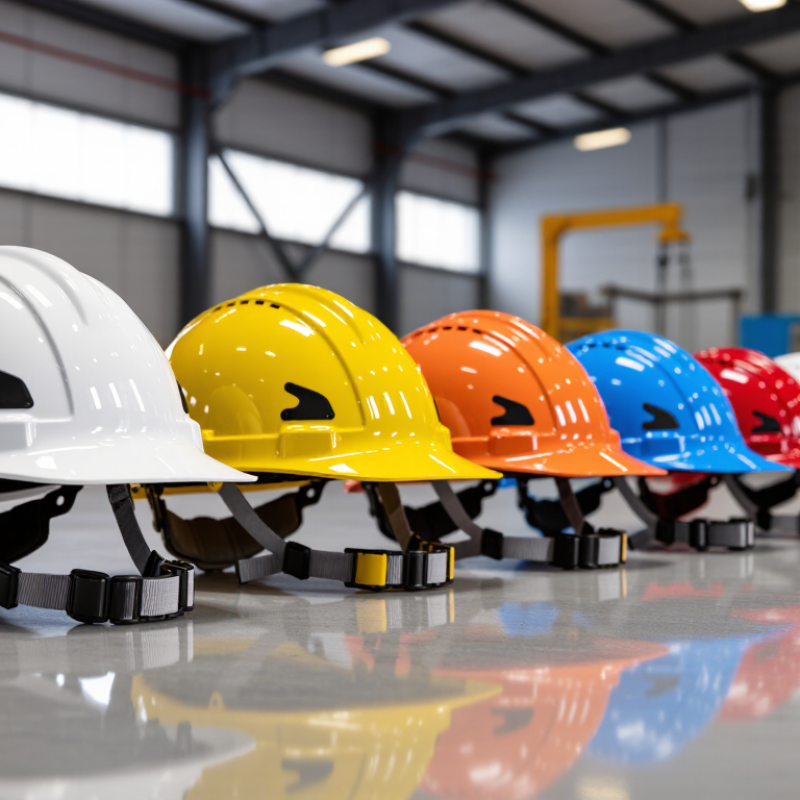
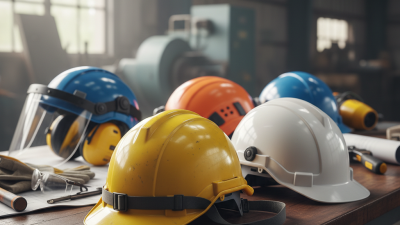
China’s safety helmet industry serves construction, utilities, manufacturing, mining, and transport. Its supply chain can include resin molding, shell finishing, suspension assembly, and product inspection. Common types include general-purpose hard hats, electrically insulating helmets, ventilated models, and systems fitted with face shields or hearing protection. The right design depends on impact exposure, electrical hazards, climate, and how long workers wear it. Details matter.

Tips: Ask suppliers for material specifications, batch traceability, and test records for the exact model. Inspect the suspension, chin strap, and accessory slots; a durable shell can still fit poorly. Check that accessories are compatible.

Manufacturers in China serve domestic buyers and export markets, so product ranges and documentation can differ. A helmet suited to one task is not automatically suitable for another. Compare performance information, comfort, replacement parts, and user instructions, not just shell appearance. Fit also varies across head shapes, and workers may remove uncomfortable gear. That deserves attention.
Criteria for Identifying Leading Chinese Safety Helmet Manufacturers

A credible safety helmet manufacturer should provide clear evidence, not just polished product photos. Ask how the shell material, suspension system, and chin strap are tested. Check whether test reports match the exact model and configuration being offered. A report for a similar helmet is not enough. Request records covering impact resistance, penetration performance, and environmental conditioning where relevant. A lab document should identify the sample and test date. Look for repeat testing and batch inspection, too. Small details matter. Not glamorous.

Factory controls help distinguish steady production from a good sample. Review how incoming materials are checked, how molding conditions are monitored, and how finished helmets are inspected. Ask whether production batches can be traced through dated records. A short factory visit or live video walkthrough may reveal more than a catalogue, though neither guarantees consistent quality. Comfort deserves attention as well. Check strap adjustment, headband fit, ventilation openings, and edge finishing on a sample worn for several minutes. Workers may reject a helmet that feels awkward, even when its paperwork looks complete. I would not judge a supplier on price alone; low cost can be useful, but only when the evidence and follow-up process hold up.

Profiles of Ten Notable Safety Helmet Manufacturers in China

China’s safety helmet industry includes manufacturers with different strengths, rather than one standard production model. One focuses on durable shells for construction crews. Another offers lightweight designs for long shifts. A third develops helmets with integrated face shields. A fourth emphasizes electrical insulation and careful material selection.

A fifth manufacturer serves road and utility teams with high-visibility colors. A sixth supplies adjustable suspension systems for varied head shapes. A seventh concentrates on ventilation, with vents positioned to reduce heat during outdoor work. An eighth produces compact models for warehouses and factories. These profiles show useful differences. They do not prove that every product suits every workplace.

A ninth manufacturer may offer custom colors and logo placement for larger orders. A tenth may stand out through consistent quality checks and clear product documentation. Buyers should examine shell thickness, suspension adjustment, fit, and available test records. A polished catalog is not proof of reliable performance. Ask how samples are inspected and how production changes are controlled. Fit matters. Workers may reject a helmet that feels awkward, even when its specifications look impressive. That detail deserves more attention.

Helmet Technologies, Certifications, and Quality Standards

Top 10 Safety Helmet Manufacturers in China: Helmet Technologies, Certifications, and Quality Standards

For buyers comparing Chinese safety helmet manufacturers, the shell is only part of the protection system. A helmet’s outer material helps resist impact and penetration, while its suspension spreads force and keeps the shell positioned securely. Adjustable straps, sweatbands, and ventilation openings affect comfort during long shifts. Small details matter. A loose fit can undermine otherwise sound design. Some lightweight models may also feel less stable with attached face shields or earmuffs, so check compatibility before ordering.

Certification needs careful checking. Requirements vary by destination and workplace, so ask which standard applies to the exact helmet model. Request current test documents, model numbers, and evidence that production units match the tested design. Quality controls also matter: manufacturers should be able to explain how they inspect raw materials, finished shells, suspension parts, and product batches. A certificate alone does not reveal how consistently each batch is made. Verify the paperwork, and inspect samples when possible.

Tips: Try helmets with the intended accessories fitted. Check the adjustment range, chin strap, and shell condition. Replace a helmet after a significant impact, even if damage is hard to see.

Comparing Manufacturers by Products, Markets, and Customization

A useful “Top 10” comparison looks beyond price and product photos. Check whether each manufacturer offers vented and non-vented shells, adjustable suspensions, chin straps, and compatible face-shield fittings. Fit matters. For hot, humid worksites, ventilation may improve comfort; for some hazards, added openings may be unsuitable. The International Labour Organization’s 2023 report, A Call for Safer and Healthier Working Environments, estimates nearly three million work-related deaths annually. It also estimates 395 million non-fatal work injuries. These figures underline why buyers should review test reports, quality controls, and product documentation—not rely on claims alone.

Markets shape what manufacturers make. Export experience can indicate familiarity with different customer requirements, but verify the applicable standards and certificates for your destination. Customization also varies: some factories support shell colors, printed identification, packaging, or suspension adjustments; others may require higher minimum orders or longer tooling lead times. Ask for sample approval, production timelines, and written specifications. Details matter. A ranking can still miss factory-to-factory consistency, so compare recent samples where possible.

Tips: Request documentation for the exact helmet model, not a similar one. Check that accessories fit securely, and confirm replacement-part availability. Color is easy to customize; dependable quality is harder. Don’t skip the sample review.

Top 10 Safety Helmet Manufacturers in China – Comparing Manufacturers by Products, Markets, and Customization

How to read this table: Company names and brands are omitted. The entries are anonymous supplier capability profiles, not a verified ranking or claims about specific companies. Product and customization examples describe common industry offerings; confirm each supplier’s current catalog, test reports, and certifications before purchasing.

Profile Typical Product Range Common Buyer Markets Customization Options to Check Standards and Evidence to Verify
1. Industrial shell specialist General-purpose industrial helmets, commonly offered in thermoplastic shell materials such as HDPE or ABS. Construction, manufacturing, warehousing, and general industrial supply. Shell color, printed or applied logo, suspension type, sweatband, and accessory slots. For the China market, check applicable GB 2811-2019 test documentation and the exact model covered by it.
2. Electrical-protection focused supplier Industrial helmets designed for electrical work; electrical performance depends on the specific model and configuration. Power utilities, electrical contractors, maintenance teams, and related industrial buyers. Non-vented shell options, chin strap, suspension configuration, color, and identification marking. Request model-specific electrical test results and confirm that added fittings or accessories do not alter the approved configuration.
3. Construction-site range supplier General industrial helmets and site-oriented configurations with compatible accessories. Building construction, civil engineering, infrastructure, and contractor procurement. Site colors, logo placement, adjustable suspension, chin strap, and compatibility with earmuffs or face protection. Verify impact and penetration test evidence for the precise helmet model and its intended use.
4. Ventilated helmet supplier Ventilated industrial helmet designs intended for work environments where airflow is a product consideration. Outdoor construction, utilities, maintenance, and other hot-work environments, subject to hazard assessment. Vent configuration, shell color, suspension, sweatband, and approved accessory combinations. Confirm the model’s performance limits; ventilation openings may make a design unsuitable for some electrical hazards.
5. Accessory-system supplier Helmets supplied with or designed to accept compatible eye, hearing, face, or chin-strap accessories. Manufacturing, construction, forestry, and industrial maintenance, depending on the accessory system. Accessory interfaces, visor or earmuff combinations, chin straps, and suspension choices. Check whether the helmet and each accessory have been tested or approved together for the intended application.
6. Lightweight-wear design supplier Industrial helmets with product designs emphasizing reduced weight or wearer comfort; performance varies by model. Long-shift work in construction, logistics, manufacturing, and maintenance. Suspension adjustment, sweatband material, head-size fit, shell color, and logo application. Compare the certified or tested model configuration rather than relying on “lightweight” or comfort claims alone.
7. Export-oriented OEM supplier Industrial helmet ranges offered for private-label or contract manufacturing, subject to supplier capability. Importers, distributors, safety-equipment wholesalers, and industrial purchasing groups. Packaging, labeling, color, logo, language, and order-specific product configurations. For export, verify the relevant destination-market requirements, such as EN 397, ANSI/ISEA Z89.1, or AS/NZS 1801, for the exact model.
8. High-visibility product supplier Industrial helmets offered in bright shell colors; shell color alone does not establish high-visibility PPE compliance. Roadwork, construction, logistics, utilities, and other settings where visual identification is useful. Bright color selection, contrasting accessories, logo, and worker or contractor identification. Check whether visibility requirements apply to the full PPE ensemble; do not treat helmet color as a substitute for compliant high-visibility clothing.
9. Multi-model catalog supplier A broader assortment of industrial helmet shapes, suspension systems, and accessory-compatible models. Distributors and organizations sourcing different helmet configurations for multiple job roles. Model selection, suspension, chin strap, accessory fit, colors, and mixed-order packaging. Request a model-by-model document list; test evidence for one design does not automatically apply to other models.
10. Made-to-order project supplier Project-specific industrial helmet configurations, subject to tooling, minimum order quantities, and technical feasibility. Large contractors, industrial operators, and buyers with defined procurement specifications. Color, logo, packaging, accessory combination, and agreed production specifications. Document approved samples, change control, production consistency, and test coverage before placing a large order.