What Is an Urban Ebike?
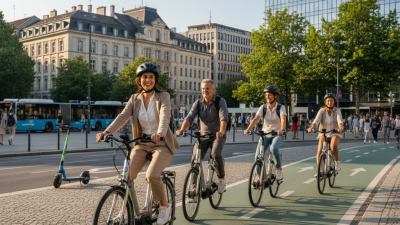
An Urban Ebike is an electrically assisted bicycle designed for daily city travel. It usually combines a comfortable frame, practical gearing, integrated lights, and a rechargeable battery. Many models include racks, fenders, and puncture-resistant tires. These details matter on wet streets, crowded lanes, and uneven pavement. Unlike a mountain e-bike, it prioritizes stability, visibility, and efficient commuting. The label is useful, but not perfectly standardized. Real streets are messier.
Market evidence shows why this category is expanding. The Confederation of the European Bicycle Industry’s European Bicycle Industry and Market Profile 2024 reported approximately 5.1 million e-bikes sold across Europe in 2023. That figure reflects strong demand, despite wider retail corrections. In the United States, NACTO’s 2023 Shared Micromobility Report recorded about 157 million shared micromobility trips. E-bikes represented an important share of those journeys. These reports indicate adoption, not guaranteed success for every product.
In practice, an Urban Ebike can replace short car trips, especially when parking is expensive or unreliable. A rider may carry groceries, cross a bridge, and arrive without a soaked shirt. Battery range still depends on hills, weight, temperature, and assistance level. Charging access can become a daily frustration. Infrastructure remains decisive. A fast bicycle cannot fix unsafe intersections. Buyers should compare motor support, braking performance, local regulations, service networks, and battery warranties. Manufacturer range claims deserve careful testing. They are often optimistic. This is where the category needs more honest measurement. An Urban Ebike is not merely a bicycle with a motor. It is a transportation tool shaped by streets, habits, weather, and human expectations.
Definition and Main Characteristics of an Urban Ebike
What Is an Urban Ebike?
An urban ebike is a pedal-assisted bicycle designed for daily city travel. It supports commuting, shopping, and short trips on paved streets. Unlike a mountain model, it usually favors comfort, visibility, and practical carrying space. The rider still pedals. The motor simply reduces effort on hills, headwinds, and frequent stops. It feels ordinary.
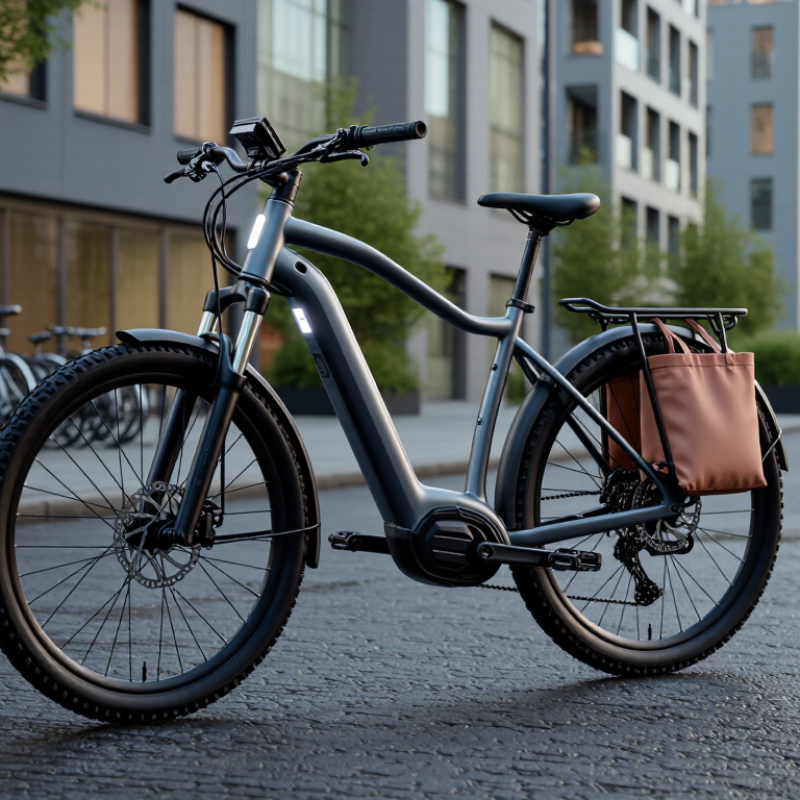
Its main characteristics include an upright riding position, smooth tires, integrated lights, mudguards, and a rear rack. A step-through frame can make mounting easier, especially in crowded streets. Typical urban models use moderate motor assistance and a removable battery. Exact performance varies by local regulations and testing methods. Buyers should check certified specifications, not only advertised range.
The European bicycle industry recorded about 5.1 million e-bike sales in 2023, according to the Confederation of the European Bicycle Industry’s European Bicycle Industry and Market Profile 2024. This figure shows strong demand for assisted everyday transport, although European data cannot represent every city worldwide. Urban design also matters. A bicycle with excellent range may still feel inconvenient without secure parking or safe lanes. Small details become important: a bright front lamp at dusk, reliable brakes near wet tram tracks, and a rack that carries groceries without shifting. The category is useful, but not perfectly tidy. Some urban ebikes are fast and sporty, while others resemble compact utility bicycles. A careful definition should focus on purpose and equipment, not appearance alone.
How Urban Ebikes Work
What Is an Urban Ebike?
How Urban Ebikes Work
An urban ebike combines human pedaling with controlled electric assistance. A rechargeable battery sends power to a motor through an electronic controller. The motor usually sits near the crank or rear wheel. When you press the pedal, a cadence or torque sensor detects movement. Torque sensors respond more naturally because they measure how hard you push.
The riding feeling is practical rather than dramatic. Assistance helps when leaving a traffic light, climbing a bridge, or carrying groceries. A display shows speed, battery level, and support mode. Hydraulic or mechanical disc brakes convert motion into stopping force. Tire pressure also matters. Soft tires feel comfortable, but they can reduce efficiency and steering precision.
The International Energy Agency’s Global EV Outlook 2024 identifies electric two- and three-wheelers as the most electrified road-transport segment. NACTO’s 2023 Shared Micromobility Report recorded 157 million shared micromobility trips in the United States and Canada. These figures show growing demand for compact electric transport, but they do not prove every trip replaces a car journey.
Real-world performance depends on rider weight, hills, temperature, tire pressure, and support settings. Battery range claims can feel optimistic. A heavier load drains energy faster. Charging overnight is convenient, although battery care is still easy to neglect. Local rules also define speed limits, equipment, and where an urban ebike may be used.
Common Types and Essential Components
What Is an Urban Ebike?
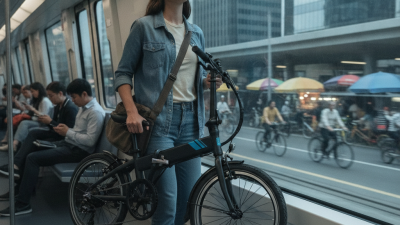
An urban ebike is a pedal-assisted bicycle designed for daily city travel. It helps riders manage traffic, hills, and longer commutes with less physical strain. Common types include commuter, step-through, folding, and cargo models. A commuter ebike usually has a balanced frame and practical riding position. Step-through frames make mounting easier in work clothes or busy parking areas. Folding models suit small apartments and mixed public transport journeys. Cargo ebikes carry groceries, children, or work equipment, but their extra weight changes braking and cornering.
The motor, battery, controller, and sensor form the electrical system. Hub motors feel simple and predictable, while mid-drive motors often climb hills more naturally. Battery capacity affects distance, but weather, rider weight, hills, and tire pressure matter too. A torque sensor responds to pedal force. A cadence sensor offers simpler assistance. Both can work well, though the riding feeling differs. Hydraulic or mechanical disc brakes provide important control in wet streets. Wide tires can improve comfort, but they may add rolling resistance.
A sturdy frame supports daily use. Full-length fenders help keep rainwater off trousers. Integrated lights improve visibility during dark commutes. A chain guard reduces contact with oil and clothing. I have found that a comfortable saddle often matters more than extra electronic features. Fit matters. A poorly adjusted handlebar can cause wrist or shoulder pain after several miles. Range estimates are never perfect, and treating them as guarantees is a mistake. Regular checks of brakes, tire pressure, fasteners, and battery connections make urban riding more dependable.
What Is an Urban Ebike? Common Types and Essential Components
An urban ebike is a pedal-assisted bicycle designed for commuting, shopping, and everyday travel on paved roads. The chart shows typical battery-capacity ranges for common urban ebike types.
Key components: The battery stores energy, the motor provides pedal assistance, the controller regulates power, the sensor detects pedaling, and the brakes, lights, tires, and frame support safe urban riding.
Benefits and Limitations for City Travel
What Is an Urban Ebike? Benefits and Limitations for City Travel
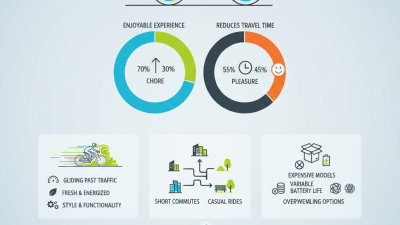
An urban ebike is a pedal-assisted bicycle designed for daily city movement. It usually has a comfortable frame, practical lights, and space for a small bag. Electric assistance helps riders start smoothly at traffic lights and climb moderate hills without arriving exhausted. For short commutes, it can replace many car or taxi trips. It also makes cycling more realistic for people with limited stamina. A useful real-world test is simple: ride three kilometers during a busy morning. Notice the traffic, road surface, parking, and battery use.
Tips: Check the battery before leaving. Keep a charger at work when possible. Use lights in poor weather, and secure the bike with a strong lock. Local cycling rules differ, so verify speed limits, helmet requirements, and approved riding areas.
Urban ebikes still have limitations. Heavy rain can reduce comfort, while potholes and narrow lanes require careful control. A loaded basket may affect balance. Batteries also need regular charging, and replacement costs can be significant. Range estimates may fall with cold weather, hills, heavy loads, or frequent stops. That detail is easy to overlook. Riders should also consider storage, especially in apartments without elevators. I sometimes think the convenience is overstated when a secure parking space is unavailable. A careful route plan, realistic range estimate, and basic maintenance routine make city travel safer and more dependable.