Inquiry
Form loading...

How to Choose the Right Ebike Wheel?

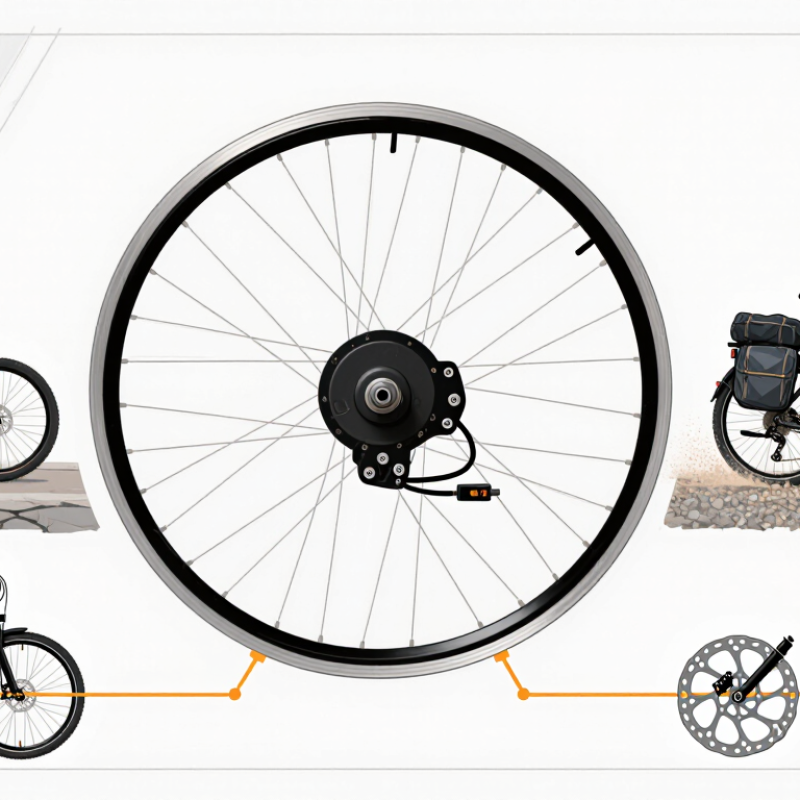
Choosing an Ebike Wheel is not just a matter of matching diameter. The wheel must handle the bike’s weight, motor torque, riding surface, and intended use. A commuter crossing cracked pavement needs different support from a rider carrying weekend gear on gravel. Small choices matter. Rim width affects tire fit and feel. Spoke count and tension influence strength and maintenance. Hub compatibility can also limit your options, especially with hub motors. Check the frame, fork, brake type, axle standard, and tire clearance before buying.

Wheelbuilding author Jobst Brandt described the bicycle wheel as “a hub suspended in a tension-spoked wheel.” That idea helps explain why spoke quality and even tension matter, particularly on heavier e-bikes. Still, a strong wheel is not automatically the right wheel. An overly heavy setup may feel sluggish, while a lightweight choice may not suit frequent loads or rough roads. There is no universal best option. Start with your bike’s specifications, then consider your typical route, rider and cargo weight, and repair access. Look closely at the rim’s labels and inspect the wheel for wobble or loose spokes. One detail is easy to miss: a wheel can fit the frame yet still be incompatible with its axle or brakes. This guide will walk through the key measurements, materials, and riding needs, so you can choose with fewer surprises and a clearer sense of compromise.
How to Choose the Right Ebike Wheel?

What Specifications Define an E-Bike Wheel?

How to Choose the Right Ebike Wheel?

What Specifications Define an E-Bike Wheel?

Start with the rim’s bead seat diameter, not its familiar inch label. ISO 5775 and ETRTO sizing use millimeters: 622 mm commonly corresponds to 700C or 29-inch wheels, 584 mm to 650B or 27.5-inch wheels, and 559 mm to 26-inch wheels. These numbers describe where the tire bead sits. They are not interchangeable. Check the frame and fork markings before ordering.

Next, match the tire width to the rim’s internal width and your frame’s clearance. A wider tire can add comfort on rough pavement, but it must clear the fork, fenders, and motor wiring. Check the wheel’s maximum load rating, axle type, brake interface, and spoke count, too. E-bike systems can place extra demands on wheels, especially during acceleration and when carrying cargo. ISO 4210-7 specifies test methods for bicycle wheels, a useful reminder that appearance alone does not prove strength. I still double-check axle measurements; small errors can become expensive ones.

Tips: Read the tire sidewall for its ETRTO size and pressure range, then compare both with the rim and bike manual. Look closely at the hub: axle width and mounting style must match your frame. When uncertain, measure twice. A few millimeters matter.
How to Choose the Right E-Bike Wheel?

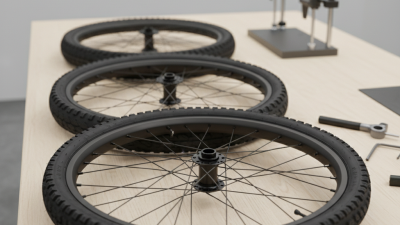
Compare common wheel sizes by rim bead seat diameter (BSD), the standardized diameter where the tire bead sits.

Common examples are 20-inch (406 mm), 26-inch MTB (559 mm), 27.5-inch (584 mm), and 29-inch (622 mm). Nominal inch labels can vary, so check the BSD marking on your tire and rim. Also confirm tire clearance, axle type and spacing, and brake compatibility before choosing a replacement wheel.

How to Check Wheel, Frame, Brake, and Motor Compatibility

How to Choose the Right Ebike Wheel?

Check the wheel diameter and tire width against the frame and fork clearances. A tire that looks close can still rub when the wheel flexes. Match the rim’s ETRTO size marking to the tire marking; for example, 622 refers to a 700C/29-inch bead-seat diameter. Check axle type and hub spacing too. A quick-release axle and a thru-axle are not interchangeable. Measure twice.

Brakes need a precise match. Confirm whether the wheel accepts a disc rotor or rim brakes, then check rotor diameter and mounting style. For a hub motor, match the dropout spacing, axle shape, connector, and system voltage. Also check the speed-sensor position: a different wheel circumference can affect readings. PeopleForBikes’ market data reported U.S. e-bike unit sales grew 269% from 2019 to 2022, making careful replacement checks increasingly useful. That figure describes sales, not wheel failures.

Tips: Read the numbers on the tire sidewall and inspect the frame label. Take a clear photo of the axle and brake mount before ordering. If any measurement is uncertain, ask a qualified mechanic to verify it. I’d rather recheck one awkward number than force a wheel into place.

How Wheel Size and Rim Width Affect Handling and Comfort

How to Choose the Right Ebike Wheel?

Wheel size and rim width shape how an ebike steers, absorbs bumps, and feels beneath you. Larger wheels generally roll over cracks and shallow potholes more smoothly, while smaller wheels can feel quicker to turn. The difference is noticeable on a curb cut or a rough stretch of pavement. Not always dramatic.

Rim width affects how a tire sits and supports its shape. A wider rim may help a compatible tire feel more stable, especially when cornering or carrying extra weight. But wider is not automatically better: tire and rim dimensions must match, and clearance at the frame and fork matters. A poorly matched setup can handle awkwardly or rub.

Comfort also depends on tire volume and pressure, not wheel size alone. A wider tire, when approved for the rim, may allow lower pressure and soften small jolts. Too little pressure can make steering feel vague and increase the risk of pinch damage; too much can make rough roads feel harsh. Check the wheel and tire makers’ pressure guidance, then consider your usual routes and load. There is some trial and error. A careful test ride on familiar pavement can reveal more than a spec sheet, though my own preference would not suit every rider.

How to Match Wheel Strength to Terrain and Rider Load

A wheel that feels solid on smooth pavement may flex noticeably on broken paths. Match it to the hardest surfaces you regularly ride, not just your usual commute. On gravel, potholes, or rough trails, prioritize a sturdy rim, well-built spokes, and a tire with an appropriate load rating. More spokes can help distribute forces, but spoke count alone does not prove a wheel is strong.

Include the full system weight: rider, bike, battery, and any bags or child seats. For example, a 120-kilogram rider, 25-kilogram e-bike, and 15 kilograms of cargo add up to 160 kilograms. The rear wheel often carries more of that load, especially when climbing or carrying luggage. Check the wheel and tire makers’ stated limits, and do not assume a larger wheel automatically supports more weight.

The technical reference ISO 4210-7:2023 specifies wheel tests for impact, static strength, and fatigue. Those tests offer a more useful benchmark than appearance alone, though they cannot predict every pothole or riding style. Ask a qualified mechanic to inspect spoke tension and rim condition if the wheel feels loose or starts rubbing. I used to judge strength by rim thickness; that was too simplistic. A strong-looking wheel can still be poorly tensioned.

How to Choose the Right Ebike Wheel? - How to Match Wheel Strength to Terrain and Rider Load

Riding Use Typical Terrain Common Wheel Size Wheel Strength Priorities Indicative Total System Weight* What to Check Before Buying
Urban commuting Paved roads, bike lanes, and occasional potholes 700C / 28 in or 27.5 in Double-wall rim; typically 32 spokes; quality tension and even spoke distribution Up to about 120 kg / 265 lb Confirm the wheel and tire are approved for the bike’s system weight. A 32-spoke wheel is common for everyday use, but spoke count alone does not establish capacity.
Rough-road commuting Broken pavement, gravel paths, and frequent bumps 27.5 in or 700C / 28 in Strong double-wall rim; often 32 or 36 spokes; sturdy hub and suitable tire volume About 100–140 kg / 220–309 lb Check rim and tire compatibility, spoke tension, and the wheel’s stated load limit. Use a tire pressure within the tire and rim makers’ specified range.
Trail riding Roots, rocks, uneven tracks, and moderate impacts 27.5 in or 29 in Impact-resistant rim; commonly 32 or 36 spokes; reliable hub and appropriate spoke lacing About 100–130 kg / 220–287 lb Match the wheel to the bike’s intended riding category and tire width. Frequent hard impacts may require a stronger wheel than the rider’s weight alone suggests.
Heavy rider or regular cargo Commuting or utility use with panniers, a child seat, or other cargo 26 in, 27.5 in, or 700C / 28 in, as specified by the frame Heavy-duty double-wall rim; often 36 spokes; robust hub and correctly tensioned spokes About 120–160 kg / 265–353 lb Include the rider, bike, battery, accessories, and cargo when calculating total system weight. Verify the complete bike’s limit as well as the wheel’s individual rating.
Touring or loaded utility riding Long paved or gravel routes with sustained luggage loads 26 in, 27.5 in, or 700C / 28 in, as specified by the bike Durable rim; commonly 36 spokes for heavily loaded use; serviceable hub and even spoke tension About 120–160 kg / 265–353 lb Choose a wheel specifically approved for the expected load and use. Inspect spoke tension and rim condition regularly, especially after long or rough trips.
High-impact off-road use Rough trails, repeated drops, and demanding terrain 27.5 in or 29 in, according to the bike’s design Wheel designed for the intended impact category; reinforced rim and hub; appropriate spoke count and build Use the wheel and bike makers’ stated limits; no general range applies Rider weight is only one factor: speed, impact severity, tire pressure, and riding style also affect wheel stress. Do not exceed the specified use category or load rating.

*Indicative ranges are selection guides, not universal wheel ratings. Total system weight generally includes the rider, bicycle, battery, accessories, and carried cargo. Always follow the lowest applicable maximum load or use limit specified for the bicycle, wheel, rim, tire, and hub. Confirm that the wheel’s diameter, axle type, brake interface, freehub, and rim width are compatible with the bike and tire. Spoke count and rim construction alone do not guarantee a particular load capacity.

How to Compare Wheel Materials, Tires, and Maintenance Needs

Compare the complete wheel, not just its rim. Aluminum rims are often practical and easier to inspect for dents; carbon rims can reduce weight, but damage may need specialist assessment. Neither material automatically makes a wheel suitable for an e-bike. Check the wheel’s stated load capacity, spoke count, brake type, and tire-width compatibility. ETRTO’s technical standards specify rim and tire dimensions, so use its compatibility guidance rather than guessing from a tire’s appearance.

Tires change comfort, grip, puncture risk, and rolling effort. Bicycle Rolling Resistance’s public laboratory database compares hundreds of tires using measured rolling-resistance results; treat those tests as controlled comparisons, not a promise of real-world range. Match tire width and pressure to the wheel maker’s limits, rider load, and surface. Check pressure cold. Look for cuts, exposed casing, loose spokes, and rim damage during routine checks. It is tempting to overvalue low weight; that shortcut can overlook durability and repair access. A tougher tire may feel slower, yet save a roadside stop. Maintenance needs vary, too: frequent heavy loads, rough roads, and low pressure can accelerate wear. I would still recheck the maker’s limits.