What Is an Ebike Wheel and How Do You Choose One?
An Ebike Wheel is more than a round frame component. It connects the motor, battery-supported power, rider, and road surface. Its design affects acceleration, braking, comfort, handling, and maintenance. Understanding these relationships helps you choose with greater confidence.
In practical inspections, I look at the rim, hub motor, spokes, axle, tire size, and connector placement. Small details matter. A heavy hub motor may improve climbing performance, yet it can make steering feel slower. A narrow rim may reduce rolling resistance, but it may feel less stable on rough paths. Wheel diameter also changes how the bike crosses potholes and curbs. Larger wheels usually roll smoothly over obstacles. Smaller wheels can offer stronger low-speed control.
There is no perfect Ebike Wheel for every rider. That point is easy to forget. Your weight, daily route, riding speed, cargo, and repair access should guide the decision. A commuter on clean pavement needs different priorities from a rider carrying groceries over uneven roads. Check the axle standard, motor rating, brake compatibility, spoke tension, and tire clearance before buying. Manufacturer specifications are useful, but they do not replace a careful fit check. Even experienced riders can miss connector length or frame clearance. I have found that one overlooked measurement can create unnecessary installation work. This guide explains the main wheel types and selection factors, while recognizing that real-world riding may challenge simple recommendations.
What an Ebike Wheel Is and How It Powers an Electric Bicycle
What Is an Ebike Wheel and How Do You Choose One?
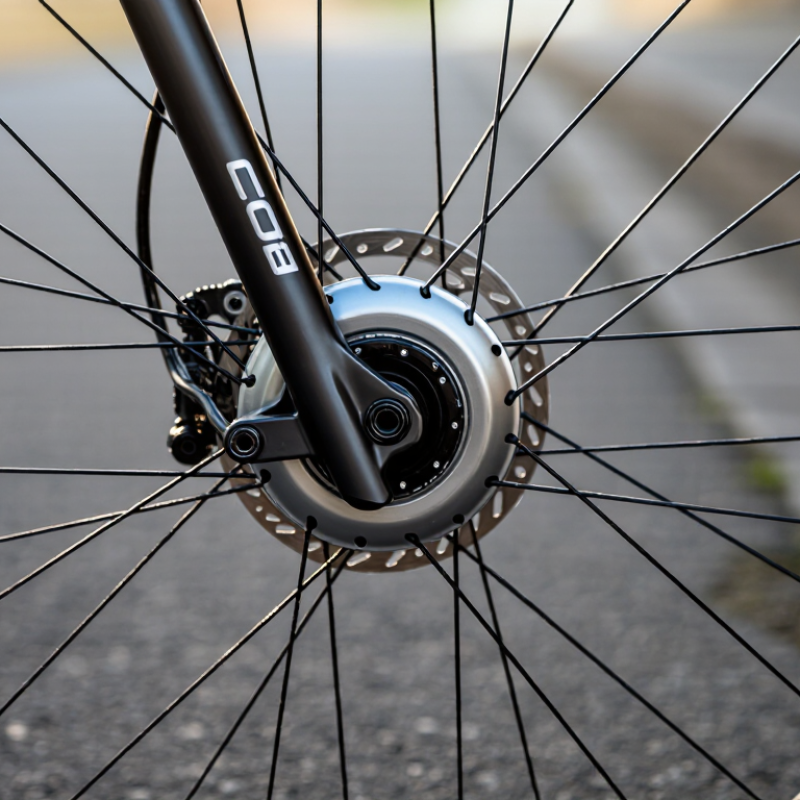
An ebike wheel combines a rim, tire, spokes, axle, and often a hub motor. The hub motor produces movement from inside the wheel. A battery sends electrical energy to a controller, which regulates current and speed. The motor then turns the hub and pushes the tire against the road. This process feels smooth when the wheel, motor, and controller match correctly.
That small hum matters.
A front hub motor can simplify installation, while a rear motor often provides stronger traction. Check the motor’s continuous power and torque, not only its peak rating. Wheel diameter also changes handling, comfort, and climbing ability. Smaller wheels may feel responsive over rough streets. Larger wheels usually roll more easily over cracks. Tire width and tread affect grip, especially on wet pavement.
Fit deserves careful attention.
Measure the bicycle’s dropout width, axle type, rim size, and brake position before ordering. Confirm that the battery and controller support the wheel’s voltage and current requirements. I once focused on motor power and overlooked axle clearance. That was a poor shortcut. A wheel can be powerful yet unusable if it does not fit securely. Inspect spoke tension, cable routing, and tire pressure after installation. These details influence stability, braking, and long-term reliability.
Essential Specifications for Comparing Ebike Wheels
What Is an Ebike Wheel and How Do You Choose One?
An ebike wheel combines a rim, tire, hub, spokes, and axle. Some wheels also contain a hub motor. That difference changes every specification.
IEA’s Global EV Outlook 2024 estimated about 65 million electric two- and three-wheelers were operating worldwide in 2023.
The demand is real, but wheel choices remain highly practical.
Start with wheel diameter and tire width. A 20-inch wheel feels quick and compact, while a 29-inch wheel rolls more smoothly over broken paths.
Wider tires improve comfort on gravel, but they add weight and rolling resistance. Check the rim’s internal width before mounting a tire. Measure twice. A mismatch can reduce handling stability.
Axle spacing, axle diameter, spoke count, and maximum load matter just as much. A replacement wheel must match the frame and fork precisely.
Hub-motor wheels also need compatible voltage, controller connections, torque, and brake mounts.
Never judge performance by wattage alone. Heat management and spoke tension often decide long-term reliability.
CONEBI’s 2024 European Bicycle Industry and Market Profile recorded approximately 5.1 million ebikes sold in Europe during 2023, showing why replacement compatibility deserves careful attention.
I still think many buyers overvalue top speed.
For daily riding, a properly tensioned wheel, puncture-resistant tire, and suitable load rating usually matter more.
The perfect specification does not exist. Expect compromise.
How to Match an Ebike Wheel to Your Bicycle and Riding Needs
An ebike wheel is more than a round frame for a tire. It may contain a hub motor, sensors, spokes, and a braking surface. Choosing the correct wheel starts with your bicycle, not your preferred motor size. Measure the wheel diameter, axle spacing, axle type, and cassette or freewheel fit. Measure twice. Do not guess.
Your frame and fork must accept the wheel’s width and axle design. A narrow commuter frame may not fit a wide mountain-style wheel. Check whether the bike uses rim brakes or disc brakes, then confirm rotor position and mounting pattern. Tire clearance also matters. Leave room for mud, flex, and slight manufacturing differences. I once underestimated this space, and the tire rubbed during a wet ride. That small error became an expensive interruption.
Match the wheel to your routes and riding weight. A lower-power hub wheel can suit flat streets and moderate cargo. Steeper hills, heavier loads, and frequent starts demand stronger spokes, suitable torque, and reliable heat management. For rough trails, choose a rim and tire combination designed for impacts, not just speed. Confirm the wheel’s voltage, controller compatibility, and cable exit before installation. A qualified bicycle technician can check alignment, spoke tension, and brake function. The specification sheet helps, but real fit can differ. Test the wheel slowly in a safe area, listening for clicking, rubbing, or unusual vibration. Some choices still require reconsideration.
Safety, Installation, Maintenance, and Replacement Considerations
What Is an Ebike Wheel and How Do You Choose One?
An ebike wheel is a motorized wheel that replaces a standard bicycle wheel. It usually includes a hub motor, controller, battery connection, and speed sensor. Choosing one requires more than checking motor power. Match the wheel diameter, axle width, brake type, and rim strength to your bicycle. A mismatched axle can shift under load. That mistake is easy to overlook.
Safety deserves priority. The U.S. Consumer Product Safety Commission reported 233 deaths and about 19,700 injuries involving e-bikes, e-scooters, and hoverboards from 2017 through 2022. Inspect cable insulation, tire pressure, spoke tension, and brake response before every ride. During installation, secure the axle with correct washers and torque. Recheck it after the first short ride. I once assumed a tight-looking nut was enough. It was not. Use electrical components tested to recognized standards, such as UL 2849 for complete e-bike systems and UL 2271 for batteries.
Tips: Keep connectors dry and clean. Do not pressure-wash the wheel. Examine spokes monthly, especially after pothole impacts. Stop riding when the rim bends, the motor makes grinding sounds, or the battery connection becomes hot. Replacement should match the original voltage, axle spacing, wheel size, and brake interface. Replace damaged cables rather than taping them. Manufacturer instructions remain useful, but real-world wear can expose weaknesses those instructions never mention.
Ebike Wheel Safety, Installation, Maintenance, and Replacement Guide
Typical inspection intervals for common ebike wheel components. Always follow the wheel, tire, brake, and ebike manufacturer’s specifications when they differ.
Check the wheel, axle security, tire condition, and brakes before every ride. Check tire pressure weekly, inspect spokes and fasteners monthly, and have hubs or bearings assessed about once a year or sooner if you notice play, grinding, uneven rotation, or water damage. Replace a wheel or rim when it is cracked, severely bent, structurally damaged, or no longer holds the tire securely.