Choosing the right Commuter Ebikes model is no longer a niche decision. It affects your daily time, comfort, safety, and transport costs.
Industry data shows why this market deserves careful attention. The European Bicycle Industry and Market Profile 2023 reported about 5.1 million e-bikes sold across Europe in 2022. In the United States, PeopleForBikes and Circana reported that annual e-bike sales exceeded one million units. These figures indicate strong demand, but popularity does not guarantee suitability. A lightweight city bike may feel agile on smooth streets, yet struggle with steep hills or heavy rain. A powerful model may carry groceries easily, but feel unnecessarily bulky on crowded trains.
Richard Thorpe, founder of Gocycle, once said, “The bicycle is the most efficient form of transport ever invented.” His view captures the appeal of electric assistance, but modern commuting adds more variables. Battery range depends on rider weight, temperature, hills, tire pressure, and assist settings. Published estimates can be optimistic. That matters.
This guide examines motor location, battery capacity, frame design, braking systems, weather protection, legal compliance, warranty coverage, and local servicing. It also considers practical details, such as whether the battery fits inside your office and whether the frame can be lifted upstairs. No guide can remove every compromise. The best choice still depends on your route, habits, budget, and tolerance for maintenance. A careful test ride may reveal more than a polished specification sheet.
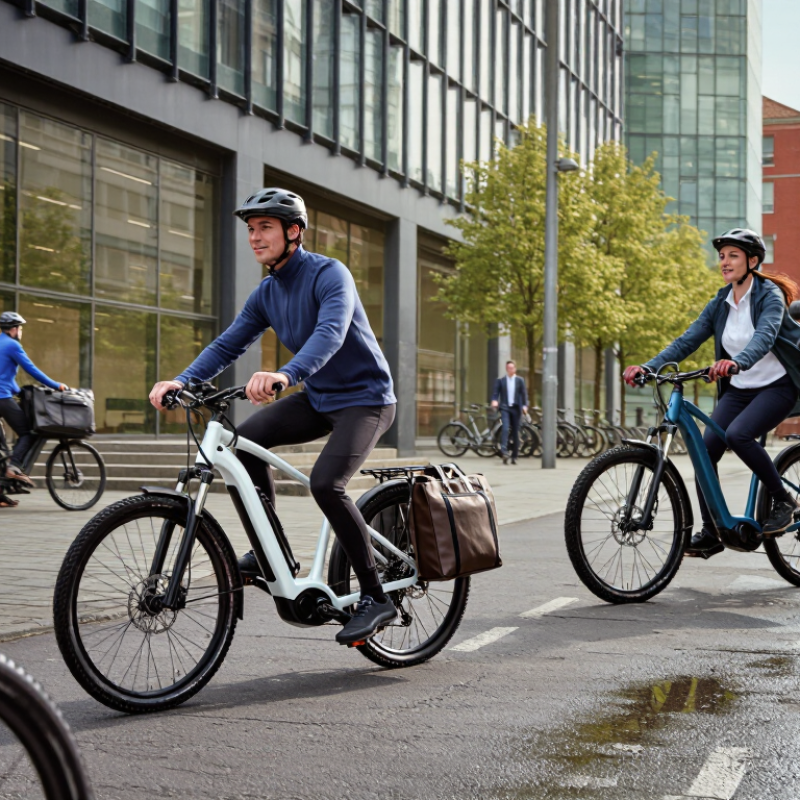
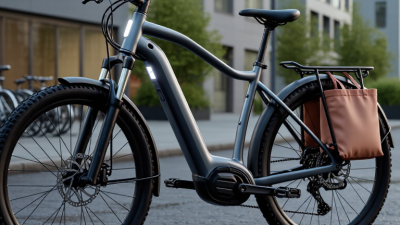
Choosing the best commuter ebike starts with understanding where and how you ride. A city ebike suits paved streets, bike lanes, and short daily trips. Its upright position improves visibility in traffic. Narrow tires roll efficiently, but they feel less stable on broken pavement.
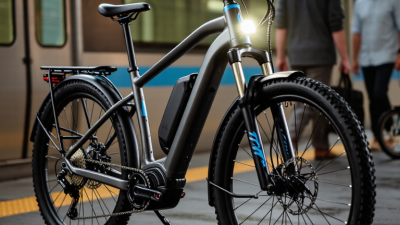
A hybrid commuter ebike offers more flexibility. Wider tires handle gravel paths, wet roads, and uneven sidewalks with greater confidence. Choose this type if your route changes often. For crowded trains or small apartments, a folding ebike is more practical. Its compact frame can fit beside a desk or under a stairwell. The smaller wheels may feel less smooth over potholes, though.
Some commuters need a cargo ebike for groceries, children, or work equipment. A long rear rack and strong brakes matter more than a sporty appearance. Step-through frames help riders wearing office clothes or carrying bags. Check the motor’s assistance level, battery range, lighting, and maximum load before buying. Real range often drops in cold weather, strong wind, or hilly areas. I once chose a lighter model for easy carrying, then regretted its limited storage on rainy days. Test your actual route, including the steepest hill and your parking space. No design fits every commute.
City and folding ebikes are practical for short urban trips, while trekking and speed-pedelec models are better suited to longer commutes. Cargo ebikes offer moderate range but are designed to carry children, groceries, or work equipment. The ranges shown are typical market ranges under moderate assistance and can vary with rider weight, terrain, weather, battery capacity, and speed.
Choosing the best commuter ebike starts with matching motor power to your daily route. A modest motor can handle flat streets efficiently, while steep hills and heavy loads need stronger torque. Do not judge performance by wattage alone. A test ride reveals more than a specification sheet. Notice how quickly the motor responds at intersections and whether assistance feels smooth near the speed limit.
Battery range depends on battery capacity, rider weight, tire pressure, wind, temperature, and assist level. Battery watt-hours provide a useful estimate: divide capacity by average energy use per mile. Real results may be lower. I once expected a full week from one charge, but cold mornings and frequent hills changed that calculation. Leave a practical reserve instead of trusting the maximum advertised range. A battery around 500 Wh may suit moderate commutes, while longer routes need more capacity or a workplace charging option.
Charging requirements also affect convenience. Check whether the battery can be removed easily in a narrow apartment hallway. Confirm the charger works with the local electrical system and use the supplied charging equipment. A four-hour charge may fit overnight, but a nearly empty battery can disrupt the next morning. Keep the battery dry, avoid extreme heat, and inspect cables regularly. Small details matter. My own mistake was ignoring tire pressure; the motor worked harder, and range dropped noticeably.
An urban e-bike should fit like daily equipment, not like a racing machine. In practical fitting sessions, riders often choose a frame that looks fast but feels cramped. A lower step-over height helps when stopping beside traffic or carrying work clothes. Leave several centimeters between the top tube and your body. Clearance matters during sudden stops.
Frame size also affects control. A long frame can feel stable, yet it may force your shoulders forward. A short frame can turn quickly, but it may feel nervous on rough pavement. The 2023 NACTO Shared Micromobility Report recorded 157 million trips across the United States and Canada. More people are riding in mixed, unpredictable streets. Stable handling deserves attention.
Set the saddle so your knee remains slightly bent at the bottom of each pedal stroke. Your hips should stay level, without rocking side to side. Keep the handlebar high enough for a relaxed back and visible road ahead. A small bend in the elbows helps absorb potholes. It should not feel locked.
The 2024 PeopleForBikes U.S. Bicycling Participation Report stated that 112 million Americans rode a bicycle in 2022. That broad audience includes beginners, older riders, and commuters wearing ordinary clothing. Fit must serve real routines. I still get this wrong sometimes. A position that feels comfortable for ten minutes may strain the wrists after an hour. Test the bike with your usual shoes, bag, and jacket. Five minutes is not enough.
How to Choose the Best Commuter Ebikes?
A commuter ebike should feel predictable in traffic, not merely powerful. Check front and rear lights, reflectors, a loud bell, and reliable hydraulic or mechanical disc brakes. The U.S. Consumer Product Safety Commission reported a 23% rise in micromobility injuries during 2022. That figure includes several vehicle types, not ebikes alone, but it still deserves attention. Test the brakes.
Choose tires that match your streets. Wider tires can soften potholes and tram tracks, while full-length mudguards keep rain off your trousers. A stable frame, adjustable handlebar, and upright riding position reduce wrist and shoulder strain. Fit matters. During a real test ride, carry a laptop and ride over rough pavement. A comfortable empty bike may feel awkward when loaded.
Everyday practicality depends on charging and storage. PeopleForBikes’ 2023 U.S. E-Bike Market Overview recorded more than one million ebikes sold in 2022, showing how quickly commuting habits are changing. Still, sales growth does not prove that every model suits daily use. Check the battery’s removable design, charging time, carrying weight, and realistic range. Do not trust the highest advertised distance. Cold weather, hills, heavy loads, and frequent stops reduce it. A rear rack, secure lock points, and weather-resistant controls may matter more than an extra riding mode. My own imperfect rule is simple: choose the bike you can comfortably lift, park, and maintain after a long workday.
| Evaluation Dimension | Short Urban Commuter | Balanced Daily Commuter | All-Weather Commuter | Utility and Long-Range Commuter |
|---|---|---|---|---|
| Typical Best Use | Short trips, compact streets, apartments, and frequent public-transport connections. | Regular commuting of approximately 8–25 km per day on paved roads and cycle paths. | Daily riding in rain, poor pavement, colder conditions, and changing light levels. | Longer commutes, hills, carrying groceries, panniers, or child-seat-compatible loads. |
| Motor Output | 250–350 W nominal motor; moderate assistance for mostly flat routes. | 250–500 W nominal motor; a practical balance for mixed urban terrain. | 250–500 W nominal motor; prioritize controlled, predictable assistance over peak power. | 250–500 W nominal motor; higher sustained torque is useful for hills and heavier loads. |
| Battery Capacity | 300–400 Wh | 400–625 Wh | 500–625 Wh, especially when cold weather or frequent lighting use is expected. | 500–750 Wh, or a dual-battery system where legally permitted and supported by the design. |
| Realistic Assisted Range | Approximately 25–60 km per charge. | Approximately 40–90 km per charge. | Approximately 35–85 km per charge, with reduced range possible in cold or windy weather. | Approximately 45–110 km per charge, depending strongly on cargo, hills, and assist level. |
| Braking System | Hydraulic or mechanical disc brakes with rotors around 160–180 mm. | Hydraulic disc brakes with two-wheel braking and suitable rotor sizes for rider weight. | Hydraulic disc brakes; larger rotors can improve heat management on wet or downhill routes. | Hydraulic disc brakes rated for the fully loaded bicycle and rider system weight. |
| Safety Equipment to Seek | Front and rear lights, reflectors, a bell or horn, reliable tires, and a secure wheel lock. | Integrated lights, reflective sidewalls, a bell, brake cutoff behavior that feels predictable, and a visible battery charge indicator. | Bright front and rear lights, side reflectors, full-coverage fenders, corrosion-resistant hardware, and grippy tires. | Integrated lights, reflective elements, strong kickstand, frame lock, rear rack rated for the intended load, and stable steering. |
| Tire Profile | 35–50 mm tires; efficient on smooth pavement and easier to fit in narrow storage spaces. | 45–60 mm puncture-resistant tires; a good compromise between comfort and rolling efficiency. | 50–65 mm tires with a tread suited to wet pavement and occasional gravel. | 50–70 mm load-rated tires with reinforced casings and appropriate puncture protection. |
| Suspension and Comfort | Rigid fork with ergonomic grips and a properly fitted saddle keeps weight low and maintenance simple. | Rigid or short-travel suspension fork; suspension seatpost can improve comfort on broken pavement. | Suspension fork, suspension seatpost, ergonomic grips, and a saddle matched to riding position. | Suspension fork or seatpost designed for the expected load; avoid excessive softness that can reduce handling stability. |
| Riding Position | Moderately upright; easy to control in dense traffic while remaining relatively aerodynamic. | Upright to moderately upright; usually the most versatile position for visibility and comfort. | Upright position with adjustable handlebar height and sufficient clearance for waterproof clothing. | Upright, stable position with enough space for bags, panniers, or a child seat without restricting movement. |
| Weather Protection | Basic or optional fenders; suitable when most rides occur in dry weather. | Full fenders are recommended for year-round commuting and wet road spray. | Full-length fenders with mud flaps, sealed connectors, and lights designed for regular wet-weather use. | Full-length fenders, mud flaps, chain protection, and corrosion-conscious maintenance are especially valuable. |
| Cargo and Carrying Capacity | Small rear rack or front basket; generally intended for a backpack or light daily items. | Rear rack rated around 20–25 kg, subject to the bicycle manufacturer's limit. | Rear rack, pannier compatibility, and a stable kickstand for loading in wet or uneven conditions. | Load-rated front or rear racks, pannier support, low-step loading options, and a total system weight limit that covers rider plus cargo. |
| Approximate Bicycle Weight | 18–23 kg; easier to carry upstairs or place on some transit racks. | 21–27 kg; a common compromise between battery size, equipment, and portability. | 24–30 kg; extra equipment such as fenders, lights, racks, and suspension adds weight. | 25–35 kg; designed more for stability and carrying capacity than frequent lifting. |
| Security Considerations | Removable battery, hardened frame lock, and a secondary lock for securing the frame to an immovable object. | Use two independent locking methods, secure the frame rather than only a wheel, and park in a visible location. | Choose sealed electrical connectors and a battery that can be removed for indoor charging and storage. | Use heavy-duty locks, secure removable accessories, and consider a tracking device where appropriate. |
| Charging Practicality | Compact battery is convenient for indoor charging; suitable for short daily distances. | Removable battery and a standard household charger make workplace or home charging easier. | Store and charge the battery indoors within the temperature range specified by the manufacturer. | Large batteries require more charging time and storage space; verify that the charger and battery system are approved for the bicycle. |
| Maintenance Priorities | Check tire pressure, brake pad wear, chain lubrication, lights, and folding or quick-release points if fitted. | Inspect brakes, tires, drivetrain, battery mount, lights, and fasteners at regular intervals. | Clean and dry the bicycle after wet rides; inspect brake rotors, drivetrain, connectors, and fender mounts for corrosion or debris. | Inspect rack mounts, spokes, tires, brakes, drivetrain, and all load-bearing components more frequently. |
| Best Overall Priority | Portability | Balanced Choice | Weather Protection | Capacity and Range |
How to Choose the Best Commuter Ebikes?
A commuter ebike should fit your weekday routine, not just look impressive in a showroom. Check whether the motor, battery, brakes, and tires have clear service procedures. During a test ride, listen for clicking sounds and test braking on a quiet, dry road. I prefer easily available brake pads and standard tire sizes. They reduce waiting time when repairs are needed. Still, my first maintenance estimate was too optimistic. Dust, rain, and heavy loads change everything.
Tips: Ask for a written maintenance schedule. Confirm battery charging limits. Inspect cable connections. Learn how to remove the wheel before buying. A five-minute repair can become an expensive workshop visit.
Warranty coverage deserves careful reading. Check the battery period, motor coverage, charger replacement rules, and labor fees. Some policies exclude water damage, accidental impacts, or commercial use. Keep purchase records and service receipts in one folder. Reliable sellers should explain claim steps clearly, without vague promises. If the warranty requires approved technicians, locate one near your commuting route. Distance matters when your bicycle is daily transport. Calculate total cost beyond the checkout price. Include a lock, lights, mudguards, rain protection, insurance, electricity, tires, brake pads, and annual servicing. A cheaper ebike may need specialized parts or frequent adjustments. A higher-priced model may cost less over three years, but only if its battery remains healthy. Ask for realistic battery replacement pricing. I would also budget for one unexpected repair. That assumption is less exciting, but more honest.