Why Choose a Lightweight Ebike for Your Next Purchase?
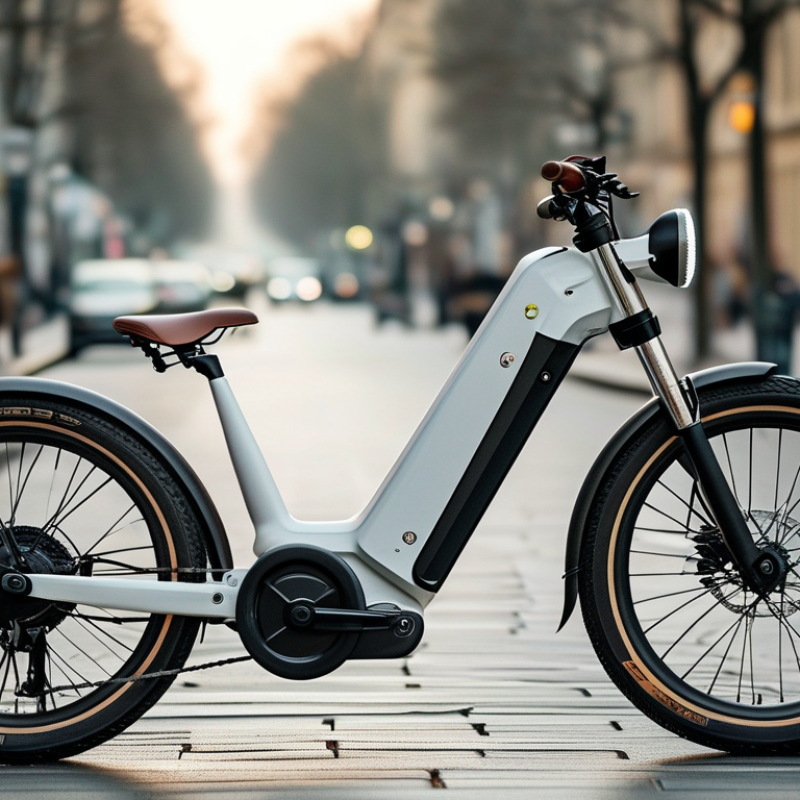
Choosing a lightweight ebike could transform your commuting experience. These innovative bikes combine convenience with efficiency. Imagine gliding effortlessly through city streets, feeling the wind on your face.
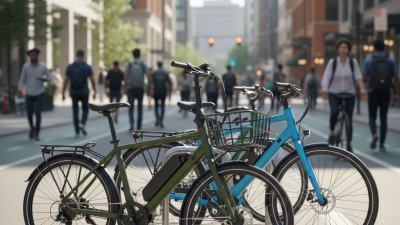
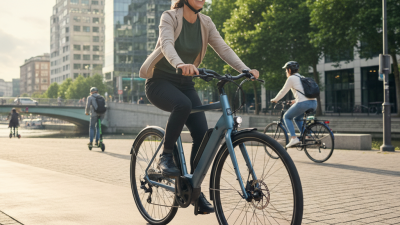
Lightweight ebikes are designed for easy handling. They weigh significantly less than traditional models, making them ideal for urban environments. Navigating crowded areas becomes a breeze, allowing you to dodge traffic with confidence. This agility translates into a more enjoyable ride.
However, it's important to reflect on your specific needs. Sometimes, the lighter models may lack features found in heavier ebikes. Balancing weight, battery life, and speed is crucial. Understanding these trade-offs can lead to a more informed choice. A lightweight ebike might just be the perfect solution for those seeking freedom and flexibility in their daily travels.
Benefits of Lightweight Ebikes: Enhancing User Experience and Mobility
Lightweight ebikes are becoming popular for many reasons. Their design enhances user experience and mobility significantly. One main benefit is the ease of handling. With less weight, cyclists can navigate crowded streets easily. The reduced bulk also aids in carrying or transporting the bike when needed.
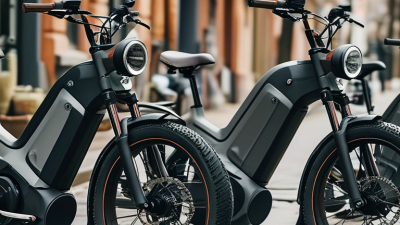
Tips for choosing a lightweight ebike include considering battery placement. A well-placed battery can enhance balance and improve control. Make sure you test the bike in various conditions. This helps identify its performance under different circumstances.
In urban areas, a lightweight ebike can be more practical. Parking is simpler, and riding in tight spaces is less of a hassle. However, it's important to acknowledge that lighter bikes may lack certain features. Some users might miss the stamina that heavier bikes provide on longer rides. Always weigh the pros and cons to find the right fit for your needs.
Industry Trends: The Growing Demand for Lightweight Electric Bicycles
The market for lightweight electric bicycles is rapidly evolving. According to a recent report from the Light Electric Vehicle Association, the demand for these bikes has surged by 35% over the last year. Consumers are increasingly drawn to models that weigh less than 50 pounds. This trend reflects a shift towards more user-friendly and portable designs.
With urban areas becoming crowded, lightweight ebikes offer a practical solution. They are easier to maneuver and store, making them ideal for city commuting. Studies show that 72% of urban cyclists prefer lighter models for their versatility. Riders appreciate the agility and the reduced effort required to navigate hills or dense traffic.
However, not all lightweight ebikes deliver on performance. Some models sacrifice battery life or durability to achieve lower weight. This creates a dilemma for consumers who want both portability and reliability. Balancing these factors is essential for manufacturers as they innovate. The ongoing development in materials and technology will shape how lightweight ebikes evolve in the future.
Technical Advantages: How Weight Reduction Improves Performance and Range
When considering an electric bike (ebike) for your next purchase, weight should be a key factor. Lightweight ebikes weigh less than traditional models. Their reduced weight significantly enhances performance. According to recent industry reports, a lighter bike can improve efficiency by up to 30%. By decreasing the overall weight, manufacturers create models that deliver better acceleration and handling.
One technical advantage of lightweight ebikes is their improved range. A lighter frame requires less energy to propel. Data suggests that a 10% reduction in weight can lead to a 5-10% increase in range. This is especially crucial for long-distance commuters. Users can enjoy longer rides without the frequent need to recharge. To maximize benefits, riders should also consider the battery capacity.
Tip: Opt for models with high-quality materials. Carbon fiber or aluminum options often provide the best balance of weight and strength.
Tip: Regular maintenance can also keep your ebike lightweight. Remove unnecessary accessories to further reduce weight.
Ultimately, the choice of a lightweight ebike could lead to enhanced riding experiences, greater ranges, and overall satisfaction. However, it’s essential to weigh the pros and cons carefully before making a decision.
Comparative Analysis: Lightweight Ebikes vs. Traditional Ebikes and Other Models
When considering an ebike, the choice often narrows down to lightweight models versus traditional ones. Lightweight ebikes typically weigh less than traditional models. This can enhance maneuverability and ease of storage. For daily commuters, this becomes crucial. Navigating crowded areas can be exhausting with heavier bikes.
Traditional ebikes can offer more power and features but at a cost. Heavier bikes can impact your riding experience. They may feel sluggish or cumbersome. Battery life can also vary. Lightweight models often have better range efficiency due to reduced weight. However, some might question their stability and durability. It’s a valid concern and worth exploring.
Not every lightweight ebike is equal. Some may compromise on build quality or performance. Riders must consider their needs carefully. The balance between weight and functionality is essential. Ultimately, your choice should reflect your riding style and terrain preferences. Finding the right fit is crucial for an enjoyable ride.
Environmental Impact: Lightweight Ebikes and Sustainable Urban Transportation
Lightweight ebikes offer significant advantages in promoting sustainable urban transportation. As cities grapple with pollution, the need for cleaner commuting options becomes urgent. According to a study by the International Council on Clean Transportation, electric bikes can reduce greenhouse gas emissions by up to 45% compared to traditional vehicles. This impact is amplified by the lightweight design, which requires less energy for both production and operation.
In urban areas, the weight of an ebike influences its efficiency in navigating congested roads. Lighter models are easier to maneuver and offer better range. The National Renewable Energy Laboratory highlights that lighter vehicles consume less power, making them more efficient for short trips—an opportunity not to be overlooked. Cities with bike-sharing programs are seeing increased adoption of ebikes, leading to reduced traffic congestion.
However, the shift to lightweight ebikes is not without challenges. Infrastructure must evolve to accommodate this increase in biking activity. Many urban environments lack sufficient bike lanes, making safety a concern for users. Additionally, while lightweight ebikes can enhance convenience, their durability needs discussion. Materials used for weight reduction may wear faster, demanding more frequent replacements. This aspect raises questions about the lifecycle impact of these vehicles. More research and policy innovation are necessary to address these issues while maximizing the benefits of lightweight ebikes.
Environmental Impact of Lightweight Ebikes vs. Traditional Bikes and Cars