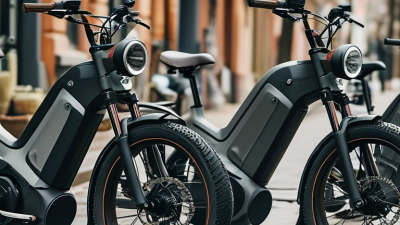
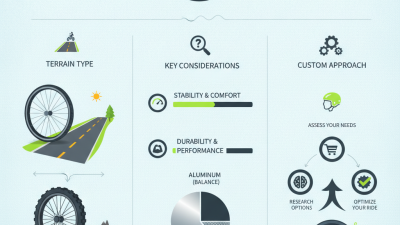
Choosing the best Folding E-Bike in 2026 starts with an honest question: where will you ride it, and where will you store it? A compact frame can fit beside a desk or in a car trunk, but folding neatly does not guarantee an easy daily ride. Weight matters when carrying the bike upstairs. So do folded dimensions, handlebar comfort, and how securely the latch closes.
Look beyond the biggest battery claim. Real-world range can change with rider weight, hills, temperature, tire pressure, and assist level. A useful comparison checks battery capacity alongside motor behavior, braking performance, tire size, and replacement-part support. Small details matter. A bright display is less helpful if its controls feel awkward with gloves. And a bike that seems light in a product photo may feel very different on a station staircase.
I would not choose from specifications alone. They simplify complicated trade-offs, and advertised range rarely reflects every rider’s commute. If possible, test the folding process, lifting points, and riding position before buying. That matters. Also check warranty terms and whether service is available where you live. The right model is not automatically the fastest or cheapest; it is the one that fits your routine, budget, and storage space without creating new daily hassles. A little uncertainty is normal, but careful comparisons can make the decision clearer.
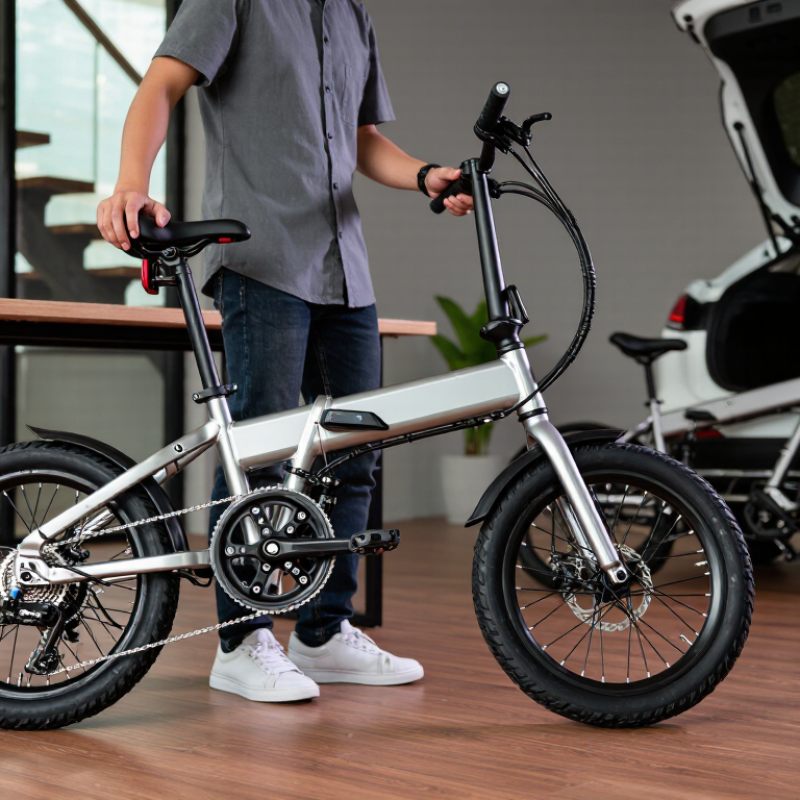
Choosing a folding e-bike starts with your real week, not its feature list. Will you carry it up apartment stairs, fit it beneath a desk, or ride five miles to a station? Measure your storage space and check the folded bike’s weight; “portable” can still feel heavy on a narrow staircase. Think about hills, rain, cargo, and how often you can charge the battery. Small details matter.
Set a total budget, not just a purchase limit. Include a helmet, lock, lights, routine servicing, and possible battery replacement. PeopleForBikes’ 2023 market update, using Circana retail data, reported that U.S. e-bike sales rose 269% from 2019 to 2022, versus 47% growth for all bicycles. That rapid growth signals wider choice, but it does not mean every model suits your commute. Compare warranty terms and local repair access before paying extra for features you may rarely use.
For a short, flat ride, a simpler drivetrain and modest battery may be enough. Steep routes or heavier loads can make stronger assistance and a larger battery worthwhile. Ask shops for the bike’s folded dimensions, battery capacity, and realistic range under load; advertised range is not a promise. If possible, test-fold it and lift it yourself. Awkward, perhaps. A few minutes of trial can reveal more than a polished specification sheet.
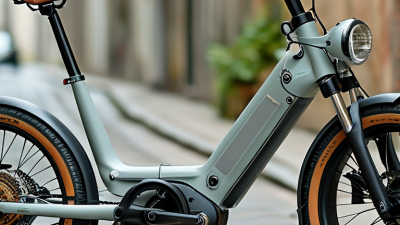
Folding e-bikes differ in wheel size, riding feel, and how compactly they stow. Small-wheel models, often around 16 inches, can fit beside a desk or in a car trunk. They turn quickly, though rough pavement may feel more noticeable. A 20-inch design often balances manageable folding with steadier handling. Full-size wheels can feel familiar on longer rides, but the folded bike may be bulkier. Measure your storage space before choosing; folded dimensions vary widely.
Frame design affects both comfort and portability. A low-step frame makes mounting easier in everyday clothes, while a taller frame may feel more rigid under load. A central hinge can create a compact package, but inspect its latch for a clear, secure lock. Feel the hinge. Check welds, cable routing, and whether folded pedals or handlebars snag nearby parts. If possible, lift the bike and fold it yourself. A frame that looks neat online can be awkward on stairs. I once underestimated that detail. Consider your height, usual route, and carrying needs together, rather than judging a folding e-bike by its smallest measurement alone.
Motor power affects how a folding e-bike starts, climbs, and carries extra weight. Compare rated power and torque, not just peak figures. If your route includes a steep bridge or rough ramp, test the bike on a similar slope when possible. A short test ride can reveal sluggish starts that a specification sheet misses. Numbers can mislead.
Battery range needs a practical estimate. Published figures often assume gentle riding, moderate temperatures, and a light load. Hills, frequent stops, cold weather, and heavier bags can shorten a ride. Check the battery’s capacity in watt-hours, then compare it with your usual trip distance. I would leave a generous margin rather than plan around the maximum claim. Some guesswork remains, even with careful comparisons. Also check charging time, whether the battery can be removed, and whether it fits your home storage setup. Use the supplied charger and keep charging equipment dry.
Tips: Write down your normal daily distance, including detours. Test it loaded. Ask how long a near-empty battery takes to recharge, and confirm that the folded bike can be stored near a suitable outlet.
A folding e-bike should fit your real storage space, not just look compact in a product photo. Measure its folded length, width, and height, including the handlebars and pedals. Then compare those numbers with your car trunk, hallway, or office corner. Weight matters just as much. Lift the bike as you would on your usual stairs; a few extra kilograms can quickly feel significant. Small details matter. A neat fold is not the whole story, and published dimensions may not show how awkward the bike feels to carry.
Check that the hinge locks firmly and that cables stay clear when the frame folds. Test both brakes and inspect the tires before each ride. The U.S. Consumer Product Safety Commission’s 2023 micromobility report estimated 360,800 emergency-department-treated injuries involving e-scooters, e-bikes, and hoverboards from 2017 through 2022. That figure covers several vehicle types, not folding e-bikes alone, but it supports careful equipment checks. For electrical safety, look for a system tested to UL 2849, and follow the maker’s charging and storage instructions. For maintenance, keep the folding joint clean, check tire pressure, and watch for frayed cables or a damaged battery case. Honestly, a neglected hinge can be easy to overlook. Make its inspection part of your routine.
| Factor | What to Check | Useful Guide or Target | Why It Matters | How to Verify |
|---|---|---|---|---|
| Folded size | Measure the folded length, width, and height, including the handlebar and pedals. | Many compact folding e-bikes fold to roughly 75–95 × 35–50 × 65–80 cm (30–37 × 14–20 × 26–31 in). Dimensions vary by design. | The bike must fit your storage space, car trunk, or permitted transit area. | Check the manufacturer’s folded dimensions and measure your actual storage opening. Confirm whether the pedals fold or need to be removed. |
| Bike weight | Compare the complete bike weight, including the battery, and check whether the battery can be removed for carrying. | Folding e-bikes commonly weigh about 18–32 kg (40–70 lb); lighter models may be easier to carry but can involve different component or battery trade-offs. | A bike that is easy to ride may still be difficult to lift onto stairs, a train, or a vehicle. | Look for a complete-bike weight rather than a frame-only figure. If possible, lift the folded bike before buying. |
| Folding mechanism | Inspect hinge locks, safety catches, frame joints, and the way cables move when the bike folds. | Locks should engage securely, have no obvious play, and be straightforward to inspect before each ride. | A poorly secured or worn folding joint can affect handling and structural safety. | Fold and unfold the bike several times. Follow the maker’s instructions and check for damage, looseness, or trapped cables. |
| Brakes and handling | Check brake type and condition, tire grip, steering stability, and control at low speed. | Brakes should stop the bike predictably and be appropriate for its total weight and intended use. There is no single brake type that is best for every rider. | Small wheels and a higher overall bike weight can make smooth, predictable braking especially important. | Test the brakes in a safe area. Check lever feel, pad or rotor condition, and whether the bike tracks steadily over the surfaces you expect to ride. |
| Lights and visibility | Check front and rear lights, reflectors, and whether the lights operate from the bike battery or separate batteries. | Choose working lights and reflectors that meet the rules where you ride; requirements differ by location. | Being visible helps other road users notice you, particularly in low-light conditions. | Confirm the lights are included, test them before a ride, and check local requirements for night riding. |
| Battery and electrical safety | Review battery capacity in watt-hours (Wh), charger compatibility, safety documentation, and replacement availability. | Battery capacity alone does not determine range. In the United States, UL 2849 covers e-bike electrical systems and UL 2271 covers batteries for light electric vehicles; certification and legal requirements vary by market. | A suitable battery and approved charger support safer use and make future servicing easier. | Check the exact model and battery documentation with the seller or manufacturer. Use the supplied or explicitly approved charger and follow charging instructions. |
| Real-world range | Compare claimed range with your route, rider and cargo weight, hills, assist level, temperature, and battery age. | Published range figures are estimates and can differ substantially from everyday results. | Range depends on several conditions, not just battery capacity. | Ask how the range was tested. For regular trips, allow a practical reserve rather than planning to use the full advertised range. |
| Fit and load limit | Check the recommended rider-height range, maximum total load, saddle adjustment, and handlebar position. | Maximum load usually includes the rider, clothing, and carried items; use the limit specified for the exact bike. | A comfortable fit improves control, while exceeding the load limit can stress the frame, wheels, and brakes. | Test the riding position and read the manual for the load limit. Include bags or child-carrying equipment in your calculation. |
| Routine maintenance | Plan to check tire pressure, brakes, fasteners, chain condition, and folding-joint security. | Inflate tires to the pressure range printed on the tire sidewall or specified by the manufacturer; service intervals depend on use and conditions. | Regular checks can identify wear or looseness before it becomes a larger problem. | Use the owner’s manual for inspection and service intervals. Keep the chain clean and lubricated as directed, and have worn brake parts serviced promptly. |
| Parts and service | Confirm access to compatible tires, brake parts, batteries, chargers, and qualified service. | Availability varies by model and region; proprietary electrical parts may be harder to replace than standard bicycle components. | Repair access can affect how long the bike remains usable and the cost of ownership. | Ask about parts support, warranty terms, and local service before purchase. Keep the purchase record and model-specific manual. |
| Local rules | Check applicable rules for motor assistance, speed limits, where e-bikes may be ridden, and carrying a folded bike on transit. | Definitions and restrictions differ between countries, states, cities, and transport operators. | A bike suitable for one area or transit system may not meet another’s requirements. | Consult current local transport guidance and the relevant transit operator before riding or travelling with the bike. |
A folding e-bike can feel nimble in a showroom and awkward on a crowded train platform. Test it where you plan to ride. The Federal Highway Administration’s 2022 National Household Travel Survey found that about 52% of U.S. trips were three miles or shorter. That makes low-speed balance, stop-start comfort, and carrying ease worth checking. Try a tight turn, a curb cut, and a firm stop. Then fold it yourself. Notice the latch, pinch points, and effort required to lift it. Small details matter.
Compare at least two models on the same route, using similar assist settings. PeopleForBikes’ U.S. Bicycle Market Data reported more than 1.1 million e-bike sales in 2022, about 269% above 2019. A growing category means wide differences in weight, folding mechanisms, and riding position. Record seat comfort, brake feel, steering stability, and how securely each bike latches when folded. Ask for the measured weight and battery capacity, then check the specification sheet. A short test ride is imperfect evidence. It cannot prove long-term durability, and a smooth shop floor is not a rough sidewalk. Still, your hands may reveal a stiff latch or twitchy steering before a table of specifications does.